

In 2026, the business world moves faster than ever, leaving no room for outdated strategies. As a business owner or decision-maker, you know that adapting is essential for growth and efficiency.
This article uncovers seven essential services offers designed to keep your organization ahead of the curve. Each one holds the power to transform operations, drive results, and fuel long-term success.
Ready to accelerate your business? Discover how these innovative services offers can help you thrive in a rapidly changing marketplace.
The Power of Strategic Service Offers in 2026
In 2026, services offers have become a cornerstone for businesses aiming to lead in a rapidly changing marketplace. A service offer is not just a product or one-time solution, but a curated package designed to address evolving customer needs, deliver measurable value, and foster loyalty. As competition intensifies, the way organizations craft and deliver services offers can set them apart and drive sustainable growth.
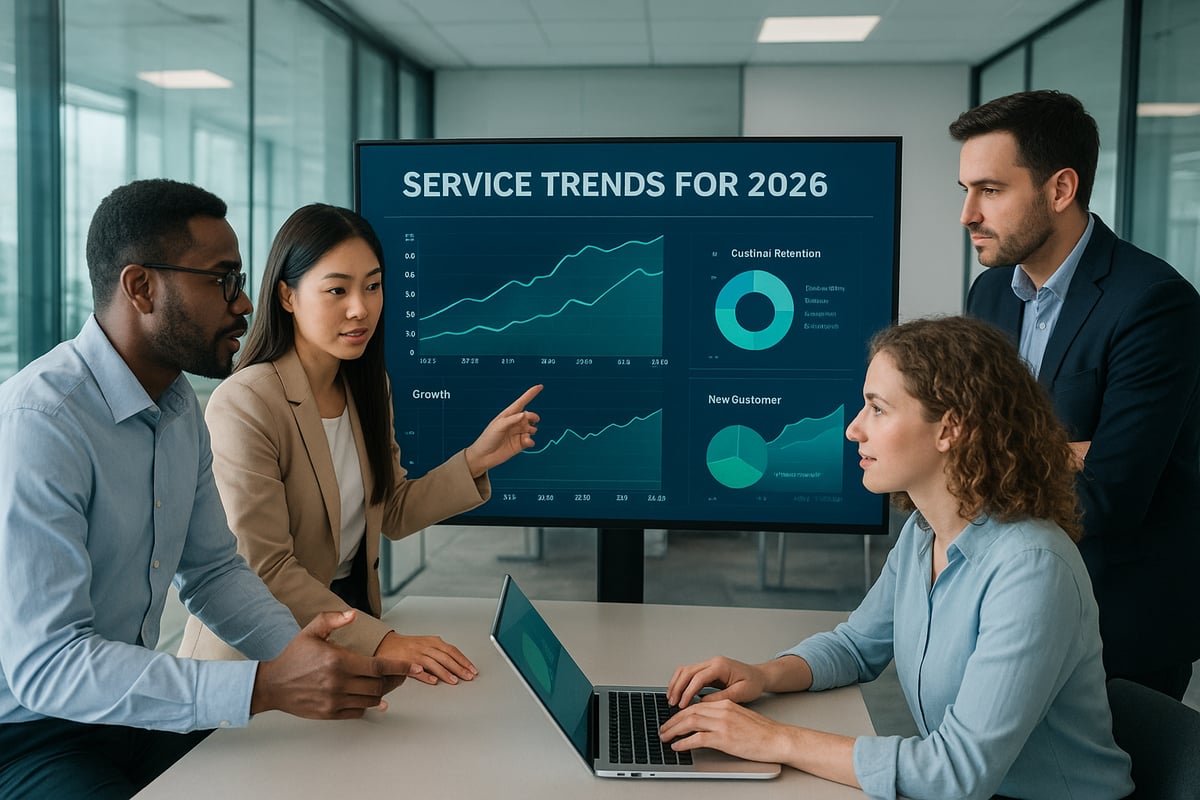
Customer expectations are advancing as digital transformation accelerates. Clients now demand seamless, hyper-personalized experiences across every channel. This shift compels companies to rethink their services offers, integrating advanced tools and adaptable models. Key trends shaping service delivery include:
- AI Integration: Automated chatbots and virtual assistants streamline interactions.
- Hyper-Personalization: Tailored recommendations and content based on real-time data.
- Automation: Workflow tools reduce manual tasks and boost consistency.
- Remote and Hybrid Models: Services delivered virtually or on-demand for greater flexibility.
Industry research shows that investing in premium services offers yields impressive returns. According to Deloitte and Gartner, businesses with diversified service portfolios report higher customer retention and market share. For a deeper look at how comprehensive offerings can benefit your business, explore this Comprehensive services overview.
Real-world examples highlight the impact of innovative services offers. Companies that embraced AI-driven support, for instance, have achieved 40% faster resolution rates, while those adopting automated platforms save over 20 hours weekly. These results underscore the transformative potential of reimagined services offers.
Despite these benefits, updating or launching new services offers comes with challenges. Common barriers include high initial investment, internal resistance to change, and the complexity of integrating new technology. To navigate these hurdles, organizations should:
- Evaluate current capabilities and future goals.
- Analyze industry trends and customer feedback.
- Pilot new services offers before full-scale implementation.
- Assess scalability and relevance for their specific market.
By strategically aligning services offers with business objectives and emerging trends, companies can unlock new avenues for growth in 2026.
7 Essential Services Offers to Boost Your Business in 2026
Navigating the business world in 2026 demands agility, innovation, and a keen understanding of the evolving landscape. The right services offers can be the catalyst that propels your organization ahead of competitors, streamlines operations, and delivers exceptional value to your customers.
In this section, we explore seven essential services offers designed to address the most pressing needs of modern businesses. Each one is tailored to fuel growth, enhance efficiency, and set a strong foundation for lasting success.

1. [AI-Driven Customer Support Solutions]
AI-powered customer support is revolutionizing how companies interact with clients in 2026. These services offers integrate advanced chatbots, virtual assistants, and omnichannel helpdesks to provide seamless, responsive support experiences.
Core Features:
- 24/7 automated assistance across channels
- Natural language processing for human-like interactions
- Multi-language support and self-service portals
Key Benefits:
- Reduced operational costs
- Faster response and resolution times
- Improved customer satisfaction and loyalty
AI-driven services offers are particularly valuable for e-commerce, SaaS, and finance sectors where customer inquiries are frequent and time-sensitive. For example, companies using AI support have achieved up to 40% faster resolution rates.
According to AI in Customer Service Statistics 2023-2030, 80% of all customer interactions will be managed by AI technologies by 2025, underscoring the importance of investing in these services offers now.
Pros:
- Scalable and cost-effective
- Consistent service quality
Cons:
- Upfront investment required
- Potential reduction in human touch
2. [On-Demand Digital Marketing Services]
On-demand digital marketing services offers provide businesses with flexible, subscription-based access to expert marketing teams and tools. These services cover SEO, PPC, content creation, and social media management.
Key Features:
- Real-time analytics dashboards
- Campaign management and creative strategy
- Rapid deployment and scalability
Benefits:
- Measurable ROI with clear performance metrics
- Ability to quickly scale campaigns up or down
- Cost-effective for startups and SMEs
Brands leveraging on-demand services offers in marketing have reported up to 30% more leads, thanks to data-driven strategies and agile execution.
Pros:
- Cost control and flexibility
- Access to specialized talent
Cons:
- Less immersion in brand culture
- Risk of inconsistent messaging if not managed properly
3. [Business Process Automation Platforms]
Workflow automation is transforming the core of business operations. Business process automation platforms are services offers that streamline finance, HR, and customer service workflows, reducing manual tasks and errors.
Features:
- Drag-and-drop process builders
- Integration with existing business systems
- AI-driven recommendations for optimization
Benefits:
- Significant productivity boost
- Consistent, error-free processes
- Frees staff for higher-value work
Common use cases include invoice processing, employee onboarding, and customer onboarding. Companies adopting these services offers have saved more than 20 hours weekly on repetitive tasks.
| Feature | Benefit | Example Use Case |
|---|---|---|
| Drag-and-drop builder | Easy customization | HR onboarding |
| AI optimization | Improved efficiency | Invoice processing |
| System integrations | Seamless workflow | Data entry automation |
Pros:
- Scalable and efficient
- Reduces operational bottlenecks
Cons:
- Initial setup can be complex
- Change management is necessary
4. [Cybersecurity-as-a-Service (CSaaS)]
With cyber threats evolving rapidly, managed cybersecurity services offers are now essential. CSaaS includes 24/7 threat monitoring, endpoint protection, and regulatory compliance support.
Key Features:
- Real-time threat detection
- Vulnerability assessments
- Incident response and employee training
Benefits:
- Strong defense against breaches
- Ensures compliance with industry regulations
- Reduces risk of financial loss and reputational damage
Businesses handling sensitive data, such as finance and healthcare, find these services offers particularly valuable. Firms using CSaaS have reduced breach incidents by up to 50%.
Pros:
- Access to expert cybersecurity teams
- Up-to-date protection against threats
Cons:
- Ongoing subscription costs
- Dependence on external providers
5. [Sustainable Operations Consulting]
Sustainability has become a critical factor in business strategy. Sustainable operations consulting services offers guide organizations through energy audits, supply chain optimization, and ESG strategy development.
Core Features:
- Carbon footprint analysis
- Regulatory compliance guidance
- Support for green certifications
Benefits:
- Cost savings through efficiency improvements
- Enhanced brand reputation among eco-conscious consumers
- Opens doors to new markets with sustainability requirements
Manufacturers, retailers, and logistics companies leveraging these services offers have cut operational costs by 15% and positioned themselves for long-term growth.
Pros:
- Long-term savings and risk mitigation
- Alignment with global sustainability trends
Cons:
- Requires upfront investment
- Implementation can be complex
6. [Remote Workforce Enablement Services]
The rise of remote work has made remote workforce enablement services offers indispensable. These solutions help businesses recruit, onboard, and manage distributed teams effectively.
Key Features:
- Virtual collaboration tools
- Cloud-based HR management platforms
- Programs for remote culture development
Benefits:
- Access to a broader talent pool
- Lower overhead costs
- Higher employee satisfaction and retention
Tech firms, consultancies, and creative agencies benefit most from these services offers. Companies adopting remote enablement have seen productivity increase by 25%.
Pros:
- Greater flexibility and scalability
- Attracts top talent globally
Cons:
- Communication and collaboration challenges
- Security risks with distributed environments
7. [Data Analytics & Business Intelligence Solutions]
Data analytics and business intelligence services offers empower organizations to turn raw data into actionable insights. These platforms deliver real-time dashboards, predictive analytics, and advanced data visualization.
Core Features:
- Integration with multiple data sources
- Customizable reporting
- AI-powered insights for forecasting
Benefits:
- Enables informed, data-driven decision making
- Identifies growth opportunities and mitigates risks
- Delivers a competitive edge in dynamic markets
Retail, healthcare, and finance sectors, where data volumes are high, gain the most from these services offers. Organizations using advanced analytics have increased revenue by 8-10%.
Pros:
- Actionable, real-time insights
- Supports strategic planning
Cons:
- Requires investment in data literacy
- Ongoing attention to privacy and compliance
How to Choose the Right Service Offers for Your Business
Selecting the ideal services offers for your business is a strategic process that can shape your growth trajectory for years to come. The right choices not only unlock efficiency and innovation, but also ensure your organization remains agile in an evolving market.
Begin by clearly defining your business objectives. Are you aiming to streamline operations, boost customer engagement, or expand into new markets? Once your goals are set, conduct a gap analysis to identify areas where current services offers fall short. This foundational step ensures any new investment aligns with your long-term vision.

Evaluate Key Factors
When assessing potential services offers, consider the following criteria:
- Budget: What is your available spend, and what ROI do you expect?
- Scalability: Will the service grow with your business?
- Industry Trends: Are competitors adopting similar solutions?
- Customer Expectations: Do your clients demand faster, more personalized, or more secure interactions?
- Internal Readiness: Are your teams equipped to integrate and manage new services offers?
A comparison table can help clarify priorities:
| Factor | Questions to Ask | Example Consideration |
|---|---|---|
| Budget | Is it cost-effective long-term? | Subscription vs. one-off fee |
| Scalability | Can it adapt as we grow? | Cloud vs. on-premise |
| Industry Trends | Does it match sector standards? | AI, automation adoption |
| Customer Expectations | Will it improve satisfaction? | Faster support, self-service |
| Internal Readiness | Do we have the right skills/resources? | Training, change management |
Pilot and Measure Impact
Before a full rollout, test new services offers with a pilot program. Select a manageable segment or department to trial the solution. Track key metrics such as cost savings, productivity, and customer satisfaction. This approach reduces risk and provides actionable data for broader implementation.
Leverage analytics dashboards and real-time reporting to gain insights during the pilot phase. Compare results against initial objectives to determine if the services offers deliver measurable improvements.
Vetting Vendors and Negotiating Agreements
Choosing the right provider is as crucial as selecting the service itself. Evaluate vendors based on reputation, expertise, and support capabilities. Review case studies, request references, and assess alignment with your company values.
When negotiating contracts, ensure service-level agreements (SLAs) are clear and enforceable. Outline response times, uptime guarantees, and escalation procedures. For a comprehensive overview of available solutions, consult the Services we provide breakdown to compare offerings that may fit your needs.
If you require expert guidance, consider exploring advising and support services to help navigate complex decisions and maximize value from your chosen services offers.
Optimize Through Feedback and Continuous Assessment
After implementation, gather feedback from staff and customers. Use surveys, performance data, and regular reviews to refine your approach. Remain flexible, as evolving market demands may require you to revisit and adapt your services offers.
A simple checklist for ongoing optimization:
- Review performance metrics quarterly
- Seek direct feedback from end-users
- Monitor industry trends for emerging needs
- Update training and documentation as necessary
- Re-negotiate contracts when scaling
Organizations that routinely reassess their services offers are better positioned to pivot quickly, seize new opportunities, and outperform competitors. By following these steps, your business can confidently navigate the expanding landscape of services offers in 2026.
Future Trends in Business Services Offers
The landscape of services offers is set to transform dramatically by 2030, driven by a fusion of technology, shifting customer values, and global market dynamics. Forward-thinking businesses recognize that staying ahead means evolving with these trends, not just reacting to them. Let us explore the future directions shaping services offers for the coming decade.

AI-Powered Personalization and Automation
AI will continue to redefine services offers, enabling businesses to deliver hyper-personalized experiences at scale. With advancements in conversational generative AI, nearly every customer touchpoint will become more intuitive and responsive. According to the Gartner Survey on Conversational GenAI Adoption, 85 percent of customer service leaders plan to explore or pilot this technology by 2025. This surge in adoption signals a new era where data-driven insights, automation, and human-like interactions become the norm for services offers.
Blockchain and Decentralized Models
Blockchain is poised to revolutionize trust, transparency, and security in services offers. Decentralized platforms will empower clients and providers alike with tamper-proof records, smart contracts, and seamless transactions. As decentralized business models gain traction, service delivery will become more agile and less dependent on traditional intermediaries. This approach will particularly benefit industries that require robust verification and privacy controls.
Immersive Experiences: AR and VR
The integration of augmented and virtual reality will create immersive services offers that engage customers in entirely new ways. From virtual showrooms to remote troubleshooting, AR and VR will allow businesses to demonstrate products, train employees, and provide support in rich, interactive environments. These experiences will blur the line between physical and digital, setting a new standard for engagement and value.
Ethical, Inclusive, and Sustainable Service Design
As the market evolves, ethical considerations will move to the forefront of services offers. Businesses will need to design solutions that are inclusive, accessible, and environmentally responsible. Embracing these values not only meets regulatory and stakeholder expectations but also enhances brand loyalty. Sustainable practices, diverse representation, and transparent policies will become essential differentiators in the competitive landscape of future services offers.
Future-Proofing Your Service Portfolio
To thrive in this rapidly changing environment, businesses must continuously reassess and adapt their services offers. Staying informed about emerging technologies, investing in ethical innovation, and prioritizing customer-centric design will be key. By anticipating these trends and acting proactively, organizations can position themselves for sustainable growth and lasting relevance.
As you look ahead to building a stronger, more agile business in 2026, it’s clear that embracing the right service offers can make all the difference. We’ve explored how innovations like AI support, automation, and data-driven insights pave the way for growth and resilience. If you’re ready to take the next step and see how a strategic, outcome-driven approach could elevate your academic or professional journey, I invite you to Text ‘Schedule a Consultation’. Let’s work together to create a clear, personalized roadmap for your future success.