


In 2026, the path to academic and career achievement is more complex than ever, making advising services an essential ally for every student. Navigating choices and overcoming challenges can feel overwhelming, but expert guidance can transform uncertainty into confidence.
This handbook is your comprehensive, up-to-date guide to leveraging advising services for optimal results. Here, you will find clear explanations, actionable strategies, and expert insights tailored for today’s diverse student population.
Discover how to understand and access advising services, explore support options, master the advising process, and maximize available resources. Whether you are a first-year student or preparing for graduation, this guide empowers you to make informed decisions and achieve your goals.
Ready to take control of your academic journey? Let’s unlock the full potential of advising services together.
Understanding Advising Services: Foundations and Impact
Advising services are at the heart of modern student success, blending expert guidance with tailored support. As students face evolving academic and career landscapes, understanding how to fully leverage these resources is more important than ever. This section explores the core foundations and far-reaching impact of advising services, setting the stage for informed, empowered decision-making.

What Are Advising Services?
Advising services in higher education provide structured guidance for academic, career, and holistic development. Academic advising focuses on course planning and degree progress, while career advising helps students navigate future opportunities. Holistic advising integrates personal growth and well-being, adapting to each student's journey.
Advisors serve as guides, mentors, and connectors. They offer support in formats such as one-on-one meetings, group workshops, and online consultations. Personalized support ensures that every student receives guidance tailored to their unique needs. The core mission centers on student success, with advising services evolving to address the complexities of today’s educational environment.
Why Advising Services Matter in 2026
The path to graduation is increasingly complex, with students balancing diverse academic and career goals. Research shows that students who regularly use advising services are significantly more likely to graduate on time and stay engaged. For example, data from Penn State University reveals that advising appointments correlated with higher student retention.
Early and ongoing advising boosts student satisfaction and supports at-risk groups, such as first-generation and transfer students. Success stories highlight how targeted guidance can transform challenges into achievements. In 2026, proactive engagement with advising services remains a key driver of positive outcomes.
Types of Advising Services Available
Advising services are diverse, meeting a wide range of student needs. Core categories include:
- Academic advising: course selection, degree planning
- Career advising: internships, job search strategies
- Financial advising: scholarship and aid guidance
- Personal development: wellness and leadership coaching
Specialized advising supports PSEO, first-year, current, and returning students. Faculty and professional advisors often collaborate, enhancing the student experience. Online platforms and digital resources make advising services accessible, offering tools for course planning, academic status support, and more.
Key Benefits of Effective Advising
Effective advising services streamline course selection, clarify major decisions, and help students stay on track for graduation. Advisors address academic challenges, foster personal growth, and guide students through setbacks.
Customized support services benefit diverse populations, ensuring equity and inclusion. Data and real-world anecdotes show that students who engage with advising services achieve higher academic performance and satisfaction. The ongoing partnership between students and advisors builds a strong foundation for lifelong success.
Navigating the Advising Process: Step-by-Step Guide
Navigating the advising process can transform your academic journey. By following a clear, step-by-step approach, you can make the most of advising services and set the stage for lasting success.

Step 1: Identifying Your Advising Needs
Start by reflecting on what you want to achieve through advising services. Are your goals academic, career-oriented, or personal development? Consider which areas need support before reaching out.
Use this quick checklist to clarify your needs:
- Are you unsure about your major?
- Do you struggle with course requirements?
- Are you planning for internships or future careers?
- Do you need help with time management or study skills?
Ask yourself questions such as, "What challenges am I facing?" and "What do I want to accomplish this semester?" Being proactive helps advisors provide better guidance through advising services.
Step 2: Connecting with the Right Advisor
Locating the right advisor is crucial for effective advising services. Most institutions assign professional, faculty, or peer advisors based on your program or year. You can find contact details through your college's advising center or online portal.
When scheduling, choose between in-person or virtual meetings to suit your needs. Compatibility matters, so don't hesitate to request a different advisor if your learning style or goals require it.
Use campus resources such as orientation programs and centers like the Warrior Success Center to make initial connections. This step ensures you are matched with someone who understands your specific situation.
Step 3: Preparing for Your Advising Session
To get the most from advising services, preparation is key. Gather important documents such as transcripts, degree audits, and a list of questions.
Here are sample questions to bring:
- What courses should I prioritize for my major?
- How can I improve my academic standing?
- What extracurriculars align with my career interests?
Set clear objectives for the meeting, such as selecting next semester's courses or exploring internship options. Preparation ensures your advising session is focused and productive.
Step 4: Creating and Following an Academic Plan
Advisors use advising services to help you map out a comprehensive academic plan. Together, you'll review degree requirements, course sequences, and timelines for graduation.
Tools like degree audit systems and academic calendars keep you organized. Regularly revisiting your plan allows for adjustments based on changing interests or goals.
For example, students who update their four-year plans each semester are more likely to graduate on time. Advisors also guide you through options like summer classes or online courses to maintain progress.
Step 5: Leveraging Ongoing Support and Resources
Advising services are not a one-time event. Ongoing support includes regular check-ins, workshops, tutoring, and supplemental instruction. Early engagement with these resources can help you address academic challenges before they escalate.
Explore individualized academic support options to find tutoring, academic status support, and leadership programs tailored to your needs. Remember, adapting your plan as your goals evolve is a key part of long-term success.
Stay connected with your advisor and take advantage of every resource available through advising services.
Specialized Advising for Diverse Student Groups
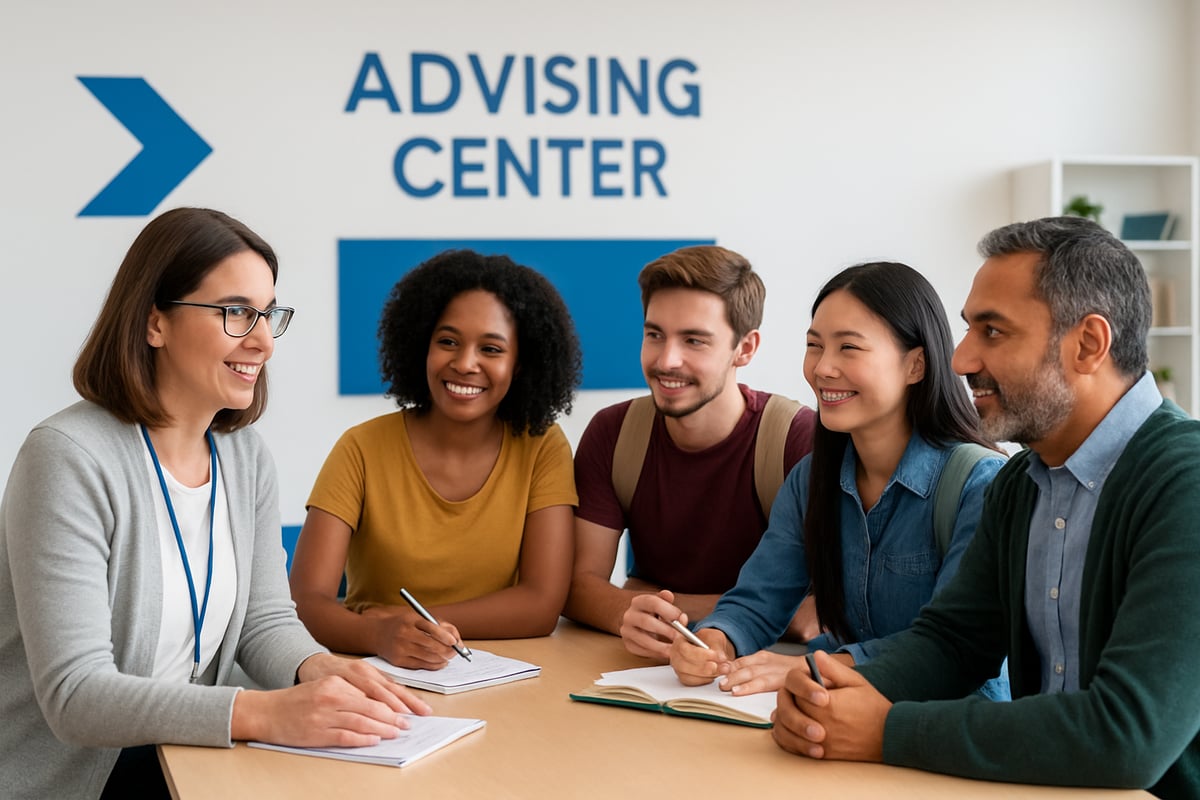
Navigating higher education is never a one-size-fits-all journey. In 2026, the landscape of advising services is more nuanced than ever, ensuring support for every type of learner. Whether you are just starting college, returning after a break, or balancing high school and college, specialized advising services ensure your unique needs are met. Let’s explore how these tailored supports empower every student to thrive.
First-Year Students: Building a Strong Foundation
First-year students often face a whirlwind of changes. Advising services begin supporting these students before classes start, through orientation programs and first-year seminars. These initiatives introduce students to campus resources, guide major exploration, and help with course selection.
Peer mentoring, Welcome Week, and targeted academic workshops are standard features. Advisors also provide strategies for managing academic and social transitions. Data consistently shows that students who engage with advising services early are more likely to persist and succeed in their first year.
Transfer and Returning Students: Seamless Transitions
Transfer and returning students bring unique experiences and questions to the table. Advising services address credit evaluation, new degree requirements, and the integration process into a new academic environment.
A dedicated advisor helps map out a clear path to graduation, ensuring all prior coursework is maximized. Faculty partnerships provide additional support, while transfer pathways highlight successful transitions. With advising services, students can confidently navigate complex requirements and adapt to campus life.
First-Generation and Underrepresented Students: Equity in Advising
First-generation and underrepresented students benefit from advising services designed with equity in mind. These students may be the first in their families to attend college or come from backgrounds historically excluded from higher education. Advisors offer culturally competent guidance, connect students to mentoring programs, and create workshops tailored to unique challenges.
Support groups and specialized resources foster a sense of belonging and empowerment. For further insights into effective approaches, see Advising for Specific Student Populations. Studies show that when advising services are inclusive, students experience increased retention and academic success.
PSEO and Dual Enrollment Students: Navigating Early College
PSEO and dual enrollment students balance high school and college coursework, often at a young age. Advising services assist with credit transfer, academic planning, and time management.
Advisors work closely with these students to ensure their courses meet both high school and college requirements. Examples of successful dual enrollment journeys highlight the importance of early, ongoing guidance. Specialized advising services for PSEO students are critical for a smooth transition to full-time college study.
International and Non-Traditional Students: Customized Support
International and non-traditional students encounter unique challenges, from language barriers to navigating visa regulations. Advising services provide support for course selection, campus integration, and logistical concerns.
Resources include orientation programs specifically for international students, as well as flexible options for adult, part-time, and online learners. Ongoing communication with advisors helps these students stay connected and overcome obstacles, making advising services an essential partner throughout their academic journey.
Maximizing Advising Resources: Tools, Strategies, and Tips
Unlocking the full potential of advising services requires not just participation but strategic engagement. By leveraging a mix of digital tools, workshops, academic support, and leadership opportunities, students can transform their academic journey and outcomes.

Digital Platforms and Self-Service Tools
Today’s advising services are powered by robust digital platforms designed for convenience and efficiency. Students can access degree audits, course catalogs, and make appointments through user-friendly online portals.
Popular tools include:
- Degree audit systems for tracking graduation progress
- Mobile apps for scheduling advising sessions
- Virtual advising rooms for remote consultations
With 24/7 access, students can review their academic standing or plan their next steps anytime. These platforms also support direct communication with advisors, ensuring questions are addressed promptly. By embracing digital tools, students maximize their advising services experience and stay informed throughout their academic journey.
Workshops, Seminars, and Peer Support
Engagement with advising services extends beyond one-on-one meetings. Workshops and group seminars offer practical guidance on study skills, time management, and career exploration.
Key resources include:
- Study skills seminars
- Career planning workshops
- Peer mentoring programs
Student orientation leaders and peer mentors play a vital role in building campus connections. Campus-wide events foster a sense of community, helping students develop both academically and socially. Taking advantage of these group opportunities amplifies the benefits of advising services while creating lasting networks.
Academic Success and Tutoring Services
Advising services integrate closely with tutoring, supplemental instruction, and academic coaching. These support systems are proven to boost grades and increase retention.
For example:
- Subject-specific tutoring centers
- Academic coaching for time management and goal setting
- Supplemental instruction sessions
Students who utilize these resources often share their impact stories of student success, highlighting real gains in confidence and academic achievement. Early engagement with academic support, guided by advising services, leads to measurable improvements in both performance and satisfaction.
Managing Academic Status, Course Changes, and Grade Methods
Navigating academic status changes is a crucial part of using advising services effectively. Advisors help students understand the implications of dropping or withdrawing from courses, changing grade options, and maintaining academic standing.
Steps include:
- Reviewing deadlines for course changes
- Discussing the impact on graduation timelines
- Exploring options for academic recovery
Advising services provide step-by-step guidance, ensuring students make informed decisions. Regular check-ins with advisors help prevent small issues from becoming major setbacks, supporting steady progress toward graduation.
Leadership and Development Opportunities Through Advising
Advising services open doors to leadership and personal development. Programs for orientation leaders, campus ambassadors, and student mentors offer valuable experiences that enhance resumes and foster new skills.
Opportunities include:
- Orientation leader programs
- Campus ambassador positions
- Leadership workshops and training
Participation often comes with scholarships and recognition. Students gain practical skills in communication and teamwork, supported by advising services every step of the way. These experiences not only enrich college life but also prepare students for future professional success.
Strategies for Long-Term Academic and Career Success
Achieving long-term academic and career success requires more than just enrolling in courses. It calls for intentional planning, informed decision-making, and strong partnerships with advising services. By leveraging the right tools and support, students can transform challenges into stepping stones and create a path that aligns with their aspirations.
Aligning Academic Choices with Career Goals
Early career exploration is essential for effective academic planning. Advising services empower students to identify interests, strengths, and long-term objectives. By working with advisors, students can map academic pathways that directly support their professional ambitions.
Tools such as skill assessments, career exploration workshops, and internships provide hands-on guidance. Students are encouraged to integrate experiential learning opportunities, like research projects or job shadowing, into their plans. For a deeper dive into aligning studies with future careers, explore this educational and career planning guidance resource.
Regularly consulting with advising services ensures students remain focused on their evolving goals, maximizing both academic and career outcomes.
Decision-Making: Choosing or Changing Your Major
Selecting or changing a major can be a pivotal moment in a student's academic journey. Advising services offer valuable support through self-assessment tools, one-on-one discussions, and access to current labor market data.
Students should evaluate their interests and skills while considering future job prospects. Advisors help clarify requirements, timelines, and potential impact on graduation. Success stories abound of students who, with advisor support, made timely major changes and accelerated their progress.
Timely use of advising services minimizes delays in graduation and ensures students make well-informed choices that fit their evolving interests.
Staying on Track: Monitoring Progress and Adapting Plans
Consistent progress monitoring is crucial for maintaining momentum toward graduation. Advising services equip students with degree audit systems, academic calendars, and milestone checklists to track achievements.
Advisors recommend setting regular check-ins to review goals, update academic plans, and address new interests or setbacks. Flexibility is key, as students may encounter changes in personal circumstances or career direction.
By staying connected with advising services, students gain the structure needed to adapt plans, overcome obstacles, and celebrate milestones on their academic journey.
Overcoming Academic Challenges and Setbacks
Academic setbacks, such as probation or failing grades, can feel overwhelming. Advising services play a critical role in helping students develop recovery plans and access resources like tutoring or academic coaching.
Advisors work closely with students to identify root causes and create step-by-step strategies for improvement. Early intervention is vital, often leading to higher success rates and renewed motivation.
Students who actively engage with advising services during challenging times are more likely to regain good standing and achieve their educational goals.
Building Relationships with Advisors for Lifelong Success
Strong advisor-student relationships extend beyond graduation, offering lasting benefits. Advising services foster mentorship, networking, and continued professional growth.
Students should maintain regular communication with advisors, participate in alumni events, and seek guidance as their careers evolve. These connections open doors to new opportunities and support lifelong learning.
By valuing advising services, students build a foundation for personal and career success that endures well past their time on campus.
The Future of Advising Services: Trends and Innovations
The landscape of advising services is evolving rapidly, shaped by new technology and shifting student needs. As we look toward 2026, both institutions and students must stay ahead of these changes to achieve optimal results.
Technology-Driven Advising: AI and Personalization
Advances in artificial intelligence are transforming advising services. AI-powered advising platforms can now deliver personalized recommendations based on students’ academic histories, interests, and career goals. Predictive analytics help advisors identify students at risk and intervene early, improving outcomes for everyone involved.
Modern advising services also leverage chatbots and virtual assistants to answer common questions 24/7. These tools make support more accessible, especially for online or remote learners. According to future-forming research in higher education, institutions are investing in adaptive systems that not only guide course selection but also suggest co-curricular opportunities.
Students benefit from early alerts, reminders, and real-time feedback on their academic progress. Advisors, in turn, gain more time to focus on complex planning and mentorship. As technology continues to advance, advising services will only become more efficient and tailored.
Holistic and Integrated Advising Models
The future of advising services is not just about technology. There is a growing shift toward integrated, holistic approaches that consider the full student experience. This model brings together academic, career, and wellness advising into a single, unified process.
Collaboration between faculty, career consultants, and wellness professionals ensures students receive comprehensive support. For instance, a student might discuss course plans with an academic advisor, explore internships with a career consultant, and address stress management with a wellness coach—all through a coordinated system.
Integrated advising services foster stronger connections and help students balance their academic, professional, and personal lives. As higher education evolves, these holistic models will be essential for supporting student success.
Equity, Access, and Student-Centered Approaches
Equity and inclusion are at the forefront of modern advising services. Institutions recognize that access to quality advising can vary, especially for historically marginalized students. Addressing these gaps is critical for ensuring all students benefit equally.
Recent studies, such as the research on equity gaps in academic advising, reveal that some groups are less likely to see improvements in graduation rates or GPA after meeting with an advisor. To close these gaps, advising services are adopting culturally competent practices and removing barriers to access.
Efforts include targeted outreach, multilingual resources, and specialized training for advisors. Student-centered approaches ensure every individual’s background and needs are respected and addressed throughout the advising process.
Preparing for the Advising Landscape of 2026 and Beyond
Looking ahead, advising services must remain adaptable. Student demographics will continue to change, with more adult learners, international students, and online participants entering higher education. Advisors need ongoing professional development to keep pace with new tools and best practices.
Students should actively seek information about new advising services, digital tools, and support networks. Institutions are expected to invest in continuous improvement, ensuring their advising services meet evolving expectations and needs.
Ultimately, the future will favor those who embrace innovation and inclusivity in advising services. Staying informed and connected will be key for both advisors and students as they navigate the years ahead.
As you reflect on the strategies and resources outlined in this handbook, you can see how personalized advising makes all the difference in reaching your academic and career goals. Whether you’re seeking clarity on your next steps or want tailored guidance for a highly competitive application, we’re here to support you every step of the way. If you’re curious about how expert admissions consulting could elevate your journey, I invite you to Learn How Admissions Consulting Works. Let’s work together to shape your story and set a foundation for lifelong success.