


In 2026, educational outreach is rapidly transforming how communities connect, learn, and thrive. As technology and societal needs evolve, institutions must adapt their approaches to build meaningful engagement and bridge educational gaps.
This guide offers a thorough look at educational outreach, from essential definitions and goals to actionable strategies, technology integration, and impactful planning. Discover how data-driven methods, partnership models, and innovative tools are shaping outreach success.
Explore step-by-step planning, effective measurement, and forward-looking trends, all designed to help you make a real difference. Ready to unlock new opportunities? Dive in and start building your outreach impact today.
Understanding Educational Outreach: Definitions, Goals, and Impact
Educational outreach is a dynamic force in today’s learning environment. By connecting institutions, educators, and communities, it extends learning beyond traditional classrooms and helps bridge educational gaps. Understanding educational outreach begins with distinguishing it from related concepts like community engagement and public education.
Community engagement often focuses on reciprocal relationships and shared goals, while public education refers to formal systems of instruction. Educational outreach, on the other hand, is proactive and targeted. It brings resources, expertise, and opportunities directly to learners who might otherwise lack access.
Goals and Stakeholders in Educational Outreach
The primary goals of educational outreach are clear. Programs aim to expand access, promote equity, foster lifelong learning, and strengthen the ties between institutions and their communities.
Key stakeholders include:
- K-12 schools seeking to motivate and support students
- Higher education institutions building pathways for underrepresented groups
- Nonprofits focused on literacy, STEM, or arts
- Government agencies driving civic education and workforce development
- Private sector partners offering mentorship and resources
These diverse groups collaborate to make educational outreach effective, ensuring that efforts are inclusive and tailored to local needs.
| Goal | Stakeholder Examples |
|---|---|
| Expanding Access | K-12 schools, nonprofits |
| Improving Equity | Universities, government agencies |
| Lifelong Learning | Community centers, adult education |
| Institutional Ties | Public-private partnerships, businesses |
Measuring Impact and Societal Benefits
Research shows that well-designed educational outreach programs deliver measurable results. For example, studies have documented a 15 to 20 percent increase in student participation rates in STEM fields through targeted outreach initiatives.
The societal benefits are equally significant. Educational outreach contributes to:
- Workforce development by preparing students for future careers
- Civic engagement through increased public understanding and participation
- Closing opportunity gaps for historically underserved populations
These impacts ripple outward, supporting stronger, more resilient communities.
Examples, Misconceptions, and Ongoing Challenges
Across the country, successful educational outreach initiatives are making a difference. Federal courts offer educational programs that demystify the legal system for students. Universities host community workshops and mentoring programs. Real-world examples, like those featured in impactful student success stories, highlight the transformative power of outreach.
However, misconceptions persist. Some believe educational outreach is only for disadvantaged groups or that its effects are short-lived. In reality, outreach serves a broad audience and can create lasting change. Challenges such as limited resources, sustaining long-term engagement, and measuring true impact require ongoing attention.
Ultimately, educational outreach remains essential for building equitable, connected, and thriving communities.
Key Strategies for Effective Educational Outreach in 2026
The landscape of educational outreach in 2026 demands a thoughtful blend of innovation, equity, and collaboration. To maximize impact, organizations must adopt strategies that address current challenges while preparing for future opportunities.

Adopting Inclusive and Equity-Driven Approaches
Successful educational outreach begins with a deep commitment to equity, accessibility, and cultural responsiveness. Data-driven methods help identify underserved groups, ensuring programs reach those who need them most. Institutions are increasingly designing initiatives to support first-generation and underrepresented students, creating pathways for lasting academic achievement.
Best practices include accessible curriculum design, culturally relevant teaching, and language support. Federal and university programs have prioritized diversity, adapting resources for a wide range of learners. For a broader look at how equity is shaping outreach, see College admissions trends and equity, which explores inclusive strategies in higher education.
Leveraging Partnerships and Community Collaboration
Building strong partnerships is central to advancing educational outreach. Collaborations with schools, nonprofits, and businesses extend resources and expertise, resulting in more comprehensive programming. School-university partnerships and public-private collaborations serve as effective models for resource sharing.
Case studies show that partnership-driven outreach can amplify reach and foster sustainability. Joint initiatives often bring together community voices, ensuring that programs remain relevant and impactful. Establishing clear roles and communication channels is essential for successful collaboration.
Utilizing Data-Driven Program Design
A data-driven approach ensures that educational outreach programs are purposeful and effective. Needs assessments, surveys, and performance metrics guide planning and help set measurable objectives. By tracking progress and adapting based on feedback, organizations can continually refine their outreach.
Surveys and analytics provide insights into participant engagement and learning outcomes. Programs that incorporate regular evaluation are better positioned to demonstrate impact and secure ongoing support. Data-driven decision making is a hallmark of modern outreach efforts.
Engaging Through Innovative Content and Delivery Methods
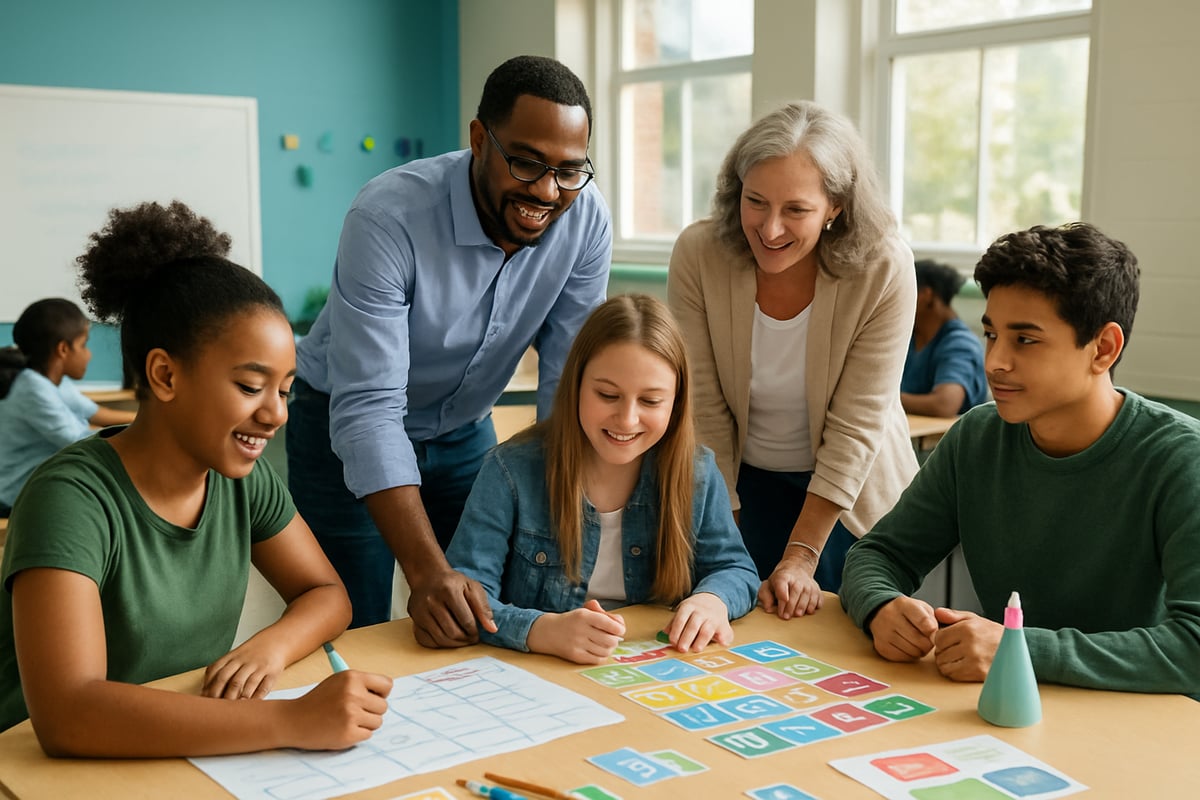
Educational outreach thrives when content is interactive, experiential, and relevant to real-world challenges. Simulations, workshops, and hands-on activities foster deeper learning and engagement among participants. Storytelling and relatable examples help connect complex concepts to everyday experiences.
Programs such as federal court simulations and university arts workshops illustrate the power of creative delivery methods. By embracing a variety of instructional formats, outreach initiatives can appeal to diverse learning styles and backgrounds.
Integrating Technology and Digital Platforms
Technology is transforming educational outreach, expanding access and engagement through online learning, webinars, and virtual events. Digital campaigns and social media reach broader audiences, while hybrid models combine the best of in-person and virtual experiences.
However, digital equity remains a challenge. Ensuring all participants have access to necessary devices and internet connectivity is critical. Outreach programs are increasingly focused on providing resources and support to bridge the digital divide and promote inclusive participation.
Ensuring Sustainability and Scalability
Long-term impact in educational outreach requires careful planning for sustainability and growth. Programs must allocate resources wisely and create frameworks that can be adapted or replicated across different settings. Securing funding through grants, sponsorships, and institutional support is vital.
Ongoing staff development and capacity building play key roles in maintaining program quality. By designing scalable initiatives and investing in professional growth, organizations can ensure their outreach efforts remain effective and responsive to changing needs.
Step-by-Step Guide to Planning and Executing Educational Outreach Initiatives
Creating a successful educational outreach program requires a structured approach. By following these seven steps, you can design, launch, and sustain impactful initiatives that foster meaningful learning and community connections.

Step 1: Assess Needs and Define Objectives
Begin by conducting a thorough assessment of your community’s educational landscape. Use surveys, focus groups, and data analysis to understand specific needs and gaps.
Identify target audiences who will benefit most from educational outreach, such as students lacking STEM opportunities or adults seeking new skills. Set clear, SMART goals that are specific, measurable, achievable, relevant, and time-bound.
For example, a university might discover local schools need more hands-on STEM experiences, leading to objectives like increasing student participation in science workshops by 20% within a year. This foundational step ensures your educational outreach is focused and impactful.
Step 2: Build Strategic Partnerships
Effective educational outreach thrives on collaboration. Identify partners such as schools, nonprofits, businesses, and government agencies who share your mission.
Establish shared goals and clarify roles to ensure smooth coordination. Formalize partnerships using memoranda of understanding or partnership agreements.
For instance, a court-led outreach program may partner with teachers and legal professionals to offer civic education workshops. By pooling resources and expertise, you amplify your reach and create richer educational experiences for all participants.
Step 3: Design Program Content and Delivery
Developing engaging content is crucial for educational outreach success. Align curriculum and activities with your objectives and the needs of your audience.
Choose delivery formats that best suit your participants, whether in-person, virtual, or hybrid. Prioritize accessible and culturally relevant materials to ensure inclusivity. For inspiration, explore individualized student support approaches that help tailor program design to diverse learners.
Interactive workshops, simulation-based learning, and real-world scenarios can make your educational outreach more dynamic and memorable.
Step 4: Implement Outreach Activities
Once your plan is ready, recruit and train facilitators, volunteers, and staff. Launch pilot programs to test your strategies and gather early feedback from participants.
Promote your educational outreach activities through targeted marketing, using digital platforms, community boards, and word-of-mouth.
For example, universities often host open houses and advertise them through both online channels and local organizations. Early engagement and visibility help build momentum for your outreach efforts.
Step 5: Monitor, Evaluate, and Refine
Continuous improvement is key to effective educational outreach. Collect both qualitative and quantitative data on participation, learning outcomes, and satisfaction.
Use feedback loops—such as post-event surveys and focus groups—to identify what works and what needs adjustment.
Share results with stakeholders through clear reports and presentations. For example, annual reports highlighting outreach metrics and impact can inform future planning and demonstrate value to funders and partners.
Step 6: Ensure Sustainability and Long-Term Growth
To make your educational outreach sustainable, develop a robust funding strategy and seek grants, sponsorships, or institutional support.
Invest in staff development and plan for leadership succession to maintain program momentum. Build adaptability into your program design so it can scale or pivot as needs evolve.
Multi-year initiatives with dedicated funding streams help ensure your educational outreach continues to make a difference well into the future.
Step 7: Foster Ongoing Engagement and Alumni Networks
Sustained engagement strengthens educational outreach impact. Maintain connections with participants through regular follow-ups, newsletters, and alumni events.
Offer opportunities for continued learning, mentorship, or volunteering. Leverage alumni success stories to inspire new participants and build a sense of community.
For example, creating an outreach alumni network can foster peer mentoring and keep the cycle of learning and support alive for years to come.
Integrating Technology in Educational Outreach: Tools, Platforms, and Best Practices
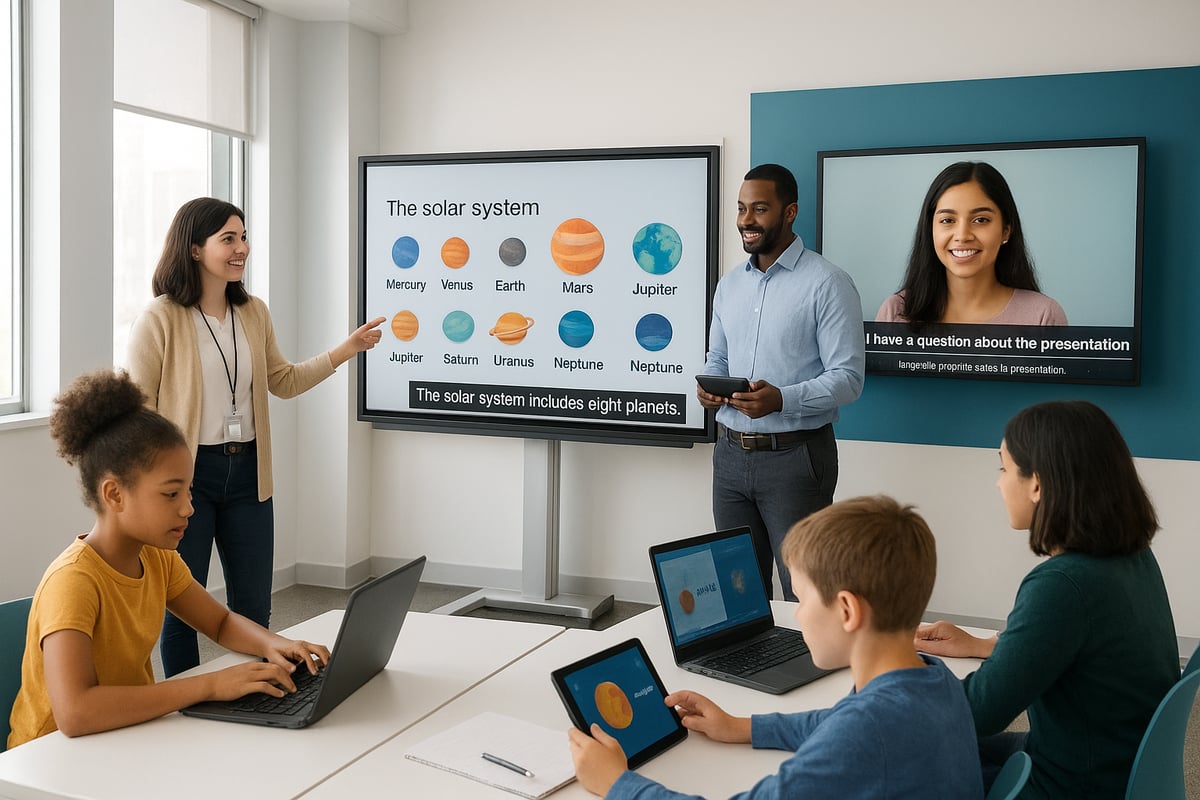
Technology is transforming educational outreach, making programs more interactive, scalable, and inclusive. In 2026, integrating the right digital tools is essential for reaching diverse audiences and maximizing impact.
Expanding Reach with Digital Platforms
Educational outreach now leverages a range of digital platforms to connect with learners both locally and globally. Learning Management Systems (LMS) provide structured environments for delivering content, tracking progress, and fostering communication.
Webinars and virtual collaboration tools allow real-time interaction, making it easier to host guest speakers, facilitate group projects, and support participants who cannot attend in person. Hybrid models combine online and face-to-face elements, increasing flexibility for all involved.
Comparison Table: Popular Tech Tools in Educational Outreach
| Tool Type | Example Use | Benefit |
|---|---|---|
| LMS | Course delivery | Centralized content |
| Webinar Platforms | Live sessions | Real-time engagement |
| Collaboration Apps | Group projects | Enhanced teamwork |
Personalization and Engagement with AI and Mobile Solutions
Artificial intelligence and data analytics are revolutionizing educational outreach by enabling programs to personalize learning experiences. AI can adapt content to individual needs, while analytics help educators monitor participation and adjust strategies.
Mobile learning and educational apps make it possible for outreach participants to access materials anywhere, anytime. Gamification—using game elements in learning—boosts motivation and retention. Accessibility features, such as closed captioning and multilingual support, ensure all learners can benefit.
For district leaders and program designers seeking practical guidance, the Resource Guide for Supporting Technology in Education offers actionable steps for selecting, implementing, and sustaining technology in educational outreach.
Measuring Impact and Addressing Challenges
Digital outreach programs have seen remarkable growth, with virtual participation rates increasing by 60% since 2020. Case studies show that integrating technology leads to higher engagement and improved learning outcomes.
However, challenges remain. Protecting student privacy, ensuring cybersecurity, and fostering digital literacy are critical. Educators must choose tools that align with their outreach goals, provide adequate training, and continuously evaluate effectiveness.
To maximize the benefits of educational outreach, focus on clear objectives, robust infrastructure, and ongoing support. By embracing best practices and innovative technologies, organizations can broaden their impact and build lasting connections with diverse communities.
Measuring Success: Metrics, Evaluation Methods, and Continuous Improvement
Measuring the success of educational outreach is essential for demonstrating value, guiding improvements, and securing long-term support. In today's evolving landscape, effective evaluation ensures that programs not only reach their intended audiences but also achieve meaningful, lasting outcomes.
Defining Success in Educational Outreach
Success in educational outreach hinges on clear, measurable goals. Common key performance indicators (KPIs) include participation rates, knowledge gains, retention, and participant satisfaction. These metrics help organizations track whether their outreach is making a tangible difference.
Setting objectives that align with stakeholder priorities is crucial. For instance, a university may aim to increase STEM engagement among underrepresented students by 20 percent in a year. By defining what success looks like from the outset, teams can better design, implement, and refine their educational outreach programs.
Methods for Evaluating Impact
A robust evaluation plan combines both formative and summative methods. Formative evaluation gathers feedback during program delivery, using surveys, focus groups, and interviews to make real-time adjustments. Summative evaluation, on the other hand, measures outcomes at the end, assessing knowledge gains, skills development, or behavioral changes.
Data analytics play a growing role in capturing and interpreting results. Leveraging digital tools for data collection and analysis, as described in Integrating technology in education, enables teams to identify trends and adjust strategies. Longitudinal tracking, such as following participants over several years, reveals the long-term impact of educational outreach efforts.
Continuous Improvement and Reporting
Continuous improvement is at the heart of effective educational outreach. Program teams should regularly analyze both quantitative and qualitative data to identify what works and where adjustments are needed. Creating annual reports with clear visuals and summaries helps communicate results to funders, partners, and the broader community.
Implementing a feedback loop fosters an adaptable culture. For example, sharing survey results with facilitators can lead to immediate enhancements in delivery. Using advanced analytics or AI-driven insights, as explored in AI Literacy Across the Curriculum, can further refine outreach based on participant needs and emerging trends.
Overcoming Challenges in Measurement
Measuring success in educational outreach is not without obstacles. Intangible outcomes, like building trust or fostering civic engagement, are harder to quantify. Additionally, resource constraints may limit the ability to collect comprehensive data.
To address these challenges, organizations should use mixed-method approaches, combining statistics with personal stories and case studies. Comparing results with competitor benchmarks or national averages can provide context for improvement. By prioritizing transparency and adaptability, teams can build a culture of continuous learning and improvement in every educational outreach initiative.
Future Trends and Innovations in Educational Outreach for 2026 and Beyond
The landscape of educational outreach is rapidly evolving, driven by new technologies and changing societal needs. As we look ahead to 2026 and beyond, several trends are poised to redefine how programs are designed, delivered, and evaluated.
The Rise of AI, Automation, and Adaptive Learning
Artificial intelligence is transforming educational outreach in profound ways. AI-driven platforms now enable personalized learning paths, automate administrative tasks, and analyze large datasets to improve outcomes. Major organizations have committed to supporting AI education, providing resources and training to educators as detailed in the Major Organizations Commit to Supporting AI Education article.
Automation streamlines content delivery and assessment, freeing up time for meaningful engagement. Adaptive learning systems respond to individual progress, making outreach more impactful for diverse participants.
Policy Shifts, Funding, and New Program Models
Policy changes and shifting funding priorities are influencing the future of educational outreach. Governments are increasing investments in digital infrastructure, while new grants target equity and inclusion. As funding landscapes evolve, outreach programs must adapt, exploring flexible models that align with policy goals.
Institutions are diversifying their offerings, incorporating hybrid and competency-based approaches. These shifts allow for more responsive programming that meets the unique needs of learners and communities.
Personalization, Micro-Credentials, and Global Collaboration
Hyper-personalization is at the core of modern educational outreach. Programs increasingly use data to tailor experiences, addressing language, cultural, and ability differences. Integrating technology supports multilingual learners, as explored in Empowering Multilingual Learners Through Language and Technology Integration.
The rise of micro-credentialing and alternative credentials allows participants to gain targeted skills and recognition. Global partnerships connect institutions worldwide, fostering innovation and resource sharing.
| Trend | Impact on Educational Outreach |
|---|---|
| AI and Adaptive Learning | Personalized, efficient programs |
| Policy/Funding Shifts | New models and expanded access |
| Micro-Credentials | Flexible, skill-focused pathways |
| Global Collaboration | Cross-border knowledge exchange |
Navigating Challenges and Staying Agile
With these innovations come new challenges. The digital divide, misinformation, and rapidly changing learner needs require constant vigilance. Outreach leaders must track emerging research and best practices, and collaborate with stakeholders to remain effective.
Building agility into program structures is essential. This means investing in staff development, leveraging alumni networks, and using real-time data to guide decisions. As educational outreach continues to evolve, staying informed and adaptable will be key to long-term success.
As you reflect on the strategies and actionable steps outlined in this guide, you might be considering how to apply these concepts to your own educational outreach or admissions journey. Whether you’re aiming to craft a compelling story for selective programs or align your academic choices with long-term career goals, having expert guidance can make all the difference. If you’re curious about how a tailored, high-touch approach could support your next steps, I invite you to Learn How Admissions Consulting Works. Let’s work together to turn your ambitions into meaningful results.