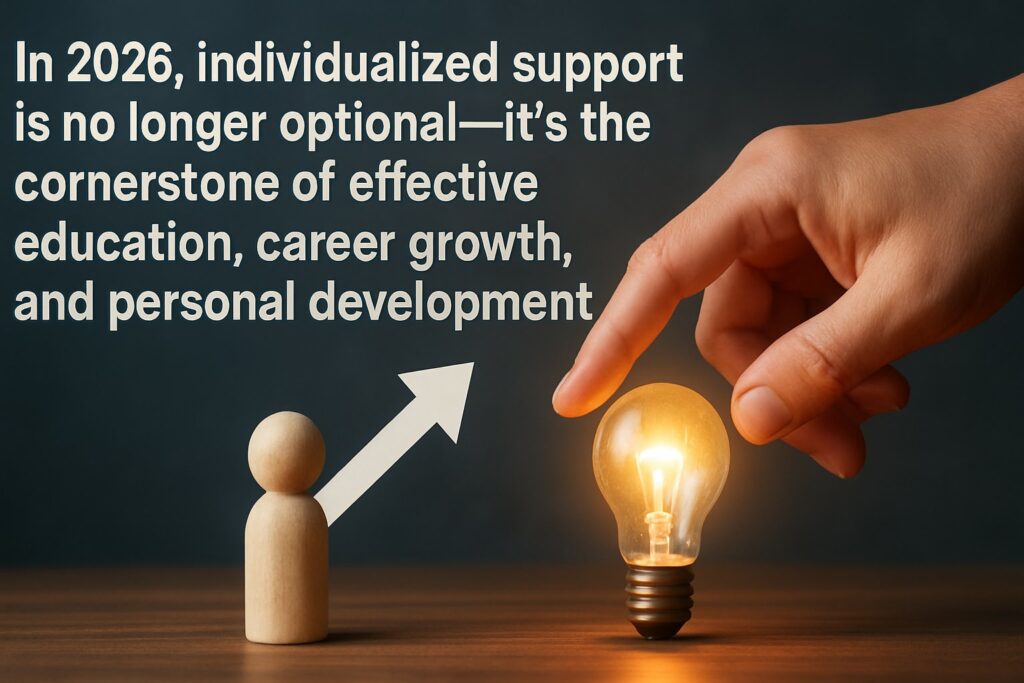
In 2026, the demand for individualized support is transforming how we learn, work, and grow. Personalization is no longer an option, but a necessity for meaningful progress.
This essential guide explores the most effective strategies, technologies, and frameworks that define individualized support today. Our aim is to empower educators, professionals, and organizations to create environments where everyone can thrive.
You will discover how individualized support has evolved, the principles behind it, step-by-step implementation, real-world examples, and the trends that will shape its future. Get ready to unlock actionable insights that drive success in every setting.
The Evolution of Individualized Support: From 2020 to 2026
The journey from 2020 to 2026 has seen a dramatic transformation in how organizations, schools, and workplaces approach individualized support. Early in the decade, most systems relied on standardized models, offering one-size-fits-all solutions that left many needs unmet. By 2026, the demand for tailored strategies has become the norm, driving significant change across diverse sectors.
A series of key milestones marked this evolution. In 2021, advancements in data analytics allowed for more precise identification of individual strengths and challenges. By 2023, the integration of artificial intelligence began to enable real-time adjustments in learning and career pathways. These changes, along with the widespread adoption of personalized learning platforms, have redefined how individualized support is delivered.
Technology has played a central role in this shift. AI and machine learning algorithms now analyze vast amounts of data to recommend customized interventions, while digital platforms provide instant feedback and adjustment. According to Education Trends Shaping 2026, the next wave of educational and professional development focuses on human-centric skills and adaptive technology, making individualized support more accessible and effective than ever before.
Policy changes have also driven progress. Updates to educational mandates and workplace regulations have prioritized equity and inclusivity, ensuring that individualized support is not just available, but expected. For example, revised Individualized Education Program (IEP) standards now require measurable outcomes and active collaboration among families, educators, and specialists. In the workplace, personalized professional development plans are increasingly common, reflecting a broader shift toward employee-centered growth.
The impact of these changes is clear. Recent studies reveal that organizations implementing high-quality individualized support report up to 20% higher graduation rates and improved job satisfaction. In schools, the use of adaptive learning platforms has led to measurable gains for students with diverse learning profiles.
Inclusivity and equity have been at the heart of this movement. Efforts to close achievement gaps and provide culturally responsive support have reshaped policies and practices. However, the transition has not been without challenges. Limited resources, resistance to change, and concerns about data privacy initially slowed adoption. These obstacles were addressed through targeted training, stakeholder engagement, and investment in secure, user-friendly technologies.
By 2026, individualized support is no longer viewed as a special accommodation, but as a fundamental expectation in education, career development, and social services. This tipping point reflects a broader recognition of the value in meeting each person’s unique needs, setting the stage for continued innovation and success.

Core Principles and Frameworks of Individualized Support
Understanding the principles and frameworks of individualized support is essential for creating meaningful progress in 2026. This section explores how a clear definition, robust components, legal considerations, and research-backed practices come together to shape effective individualized support across education, career, and social services.

Defining Individualized Support in 2026
In 2026, individualized support is defined as a set of tailored strategies and interventions designed to meet each person's unique needs in education, career, health, and social services. Unlike differentiated or universal support, which address group or general needs, individualized support focuses on the specific goals, strengths, and challenges of individuals.
Context is critical. Effective individualized support considers a person's cultural background, language, and environment. It adapts to varied learning styles, professional aspirations, and health needs, ensuring relevance and impact.
A key distinction lies in the approach. Universal support offers the same resources to all, while differentiated support modifies resources for groups. Individualized support, however, crafts a personalized pathway for each person, maximizing their potential in any setting.
Key Components of Effective Individualized Support
Implementing individualized support requires several interconnected components:
- Needs Assessment: Collecting comprehensive data, both quantitative and qualitative, to understand each individual's situation.
- Goal Setting: Establishing specific, measurable, achievable, relevant, and time-bound objectives that align with personal strengths and needs.
- Progress Monitoring: Using real-time feedback tools and ongoing assessment to track advancement and make necessary adjustments.
- Collaboration: Involving families, professionals, and stakeholders to create a holistic support network.
- Accessibility: Ensuring that support is available to everyone, including those with disabilities or from diverse backgrounds.
Each component works together to form a dynamic system. When these elements are integrated, individualized support becomes not only possible but sustainable and effective in diverse environments.
Legal and Ethical Considerations
Legal and ethical responsibilities are foundational to individualized support. In 2026, laws such as the Individuals with Disabilities Education Act (IDEA), Americans with Disabilities Act (ADA), and General Data Protection Regulation (GDPR) continue to shape the field. Recent updates emphasize stricter guidelines for consent, privacy, and data security in collecting and using personal information.
Ethical dilemmas often arise when balancing the need for data-driven decisions with individual privacy rights. Best practices include obtaining informed consent, maintaining transparency about data usage, and ensuring that technology platforms adhere to legal standards.
Professionals must stay informed about changing regulations and foster a culture of respect and dignity. By doing so, individualized support remains both lawful and ethically sound.
Evidence-Based Practices and High-Leverage Strategies
The most effective individualized support relies on evidence-based methods and proven frameworks. Universal Design for Learning (UDL) and Multi-Tiered System of Supports (MTSS) are widely used, offering flexible approaches that adapt to individual needs. Research shows that targeted interventions can improve academic achievement by up to 20 percent.
Technology plays a pivotal role in scaling these practices. For example, AI-Driven Personalized Learning platforms now address learner variability, providing tailored support for students with disabilities and enhancing engagement for all.
Case studies demonstrate that when high-leverage strategies are combined with real-time data and collaborative planning, individualized support leads to significant gains in both education and career growth. These outcomes highlight the power of integrating research, technology, and human insight to unlock each individual's potential.
Implementing Individualized Support: Step-by-Step Guide
Implementing individualized support in 2026 requires a structured, collaborative approach. Each step builds on the previous, ensuring that every learner or professional receives tailored guidance for their unique journey. Let’s explore the essential steps for effective individualized support.

Step 1: Comprehensive Needs Assessment
A thorough needs assessment is the foundation of individualized support. In 2026, organizations collect both quantitative and qualitative data through surveys, interviews, and performance records. This holistic approach uncovers strengths, gaps, and preferences.
Technology now plays a pivotal role. Adaptive diagnostic platforms, powered by AI, analyze student or employee data to identify specific needs quickly. For example, schools use digital assessment tools that adjust questions in real time to gauge skill levels accurately. In the workplace, similar platforms track performance trends, offering insights into areas for professional growth.
Stakeholder involvement is crucial. Educators, families, and individuals participate in the process, ensuring that the assessment reflects a complete picture. When technology personalizes the admissions process, as described in Technology in the admissions process, it demonstrates how digital tools can enhance individualized support at every stage.
A table summarizing assessment tools:
| Tool Type | Example Platform | Application Area |
|---|---|---|
| Adaptive Diagnostics | AI-based Assessments | K-12, Higher Ed |
| Performance Analytics | Digital Dashboards | Workplace |
| Feedback Surveys | Online Forms | All Sectors |
By leveraging these resources, organizations set a strong foundation for individualized support.
Step 2: Goal Setting and Planning
Once needs are identified, the next step in individualized support is setting clear, actionable goals. SMART (Specific, Measurable, Achievable, Relevant, Time-bound) goals align with both the individual’s strengths and broader organizational or educational objectives.
Digital platforms facilitate collaborative goal development. Educators, students, and families can contribute to Individualized Education Program (IEP) goal-setting tools, ensuring transparency and shared ownership. In corporate settings, managers and employees co-create professional development plans that reflect career aspirations and organizational priorities.
For example, a student with reading challenges might set a goal to improve comprehension by 20 percent within six months, tracked through regular digital assessments. This approach ensures that individualized support is targeted and measurable.
Lists of effective practices:
- Use data from assessments to inform goals.
- Involve all stakeholders in the planning process.
- Regularly review and adjust goals as needed.
With clear goals in place, individualized support becomes focused and purposeful.
Step 3: Designing Support Services and Accommodations
Individualized support comes to life through well-designed services and accommodations. Supports may be instructional, behavioral, emotional, or career-focused, tailored to the individual’s profile identified in previous steps.
Selecting interventions relies on evidence-based practices. Teams review research, individual data, and available resources to determine the best fit. Assistive technology has transformed this process. Devices like braille displays, text-to-speech tools, and learning apps are now seamlessly integrated into classrooms and workplaces.
For visually impaired students, combining a refreshable braille display with orientation and mobility services increases independence and engagement. In the corporate world, digital accessibility tools help employees perform at their best.
A sample list of support services:
- Instructional coaching
- Assistive technology integration
- Emotional and behavioral counseling
- Career mentorship programs
By customizing and combining supports, organizations ensure that individualized support addresses both immediate and long-term needs.
Step 4: Implementation and Collaboration
Effective individualized support depends on coordinated implementation. Educators, support staff, families, and the individual each play a vital role in putting plans into action.
Scheduling and resource allocation must be managed carefully. This includes setting aside collaborative planning time for teachers and specialists, ensuring everyone is aligned. Training is essential, equipping all stakeholders with the skills to deliver supports consistently.
Collaboration is the key. Regular team meetings foster open communication, allow for troubleshooting, and celebrate progress. In some districts, collaborative planning time has been institutionalized, enabling teachers and specialists to review and refine individualized support strategies together.
A few best practices include:
- Establish clear communication channels.
- Document roles and responsibilities.
- Schedule regular check-ins to monitor progress.
When collaboration is prioritized, individualized support is implemented with fidelity and impact.
Step 5: Monitoring, Feedback, and Iteration
Ongoing monitoring ensures that individualized support remains effective and responsive. Data collection is continuous, with digital dashboards tracking progress in real time. Both qualitative and quantitative data—such as self-reflection logs, peer feedback, and performance metrics—provide a comprehensive view.
Feedback loops are essential. Individuals reflect on their experiences, while peers and supervisors offer constructive input. Supports are then adjusted based on data, ensuring that interventions remain aligned with changing needs.
For example, educators use digital dashboards to monitor IEP progress, while managers review workplace development metrics. Regular reporting keeps all stakeholders informed and engaged.
A list of effective monitoring strategies:
- Use digital tools for real-time data collection.
- Schedule feedback sessions with all stakeholders.
- Iterate supports based on evidence and input.
Through constant monitoring and feedback, individualized support evolves to meet each person’s growth and development goals.
Types of Individualized Support: Services, Tools, and Examples
Individualized support in 2026 is more dynamic and diversified than ever. It encompasses a vast range of services and tools designed to address unique needs across educational, workplace, and community settings. Let us explore how these supports are structured, implemented, and making a measurable difference.

Special Education Services
Special education services remain at the heart of individualized support for students with disabilities. These services are tailored to meet unique academic, functional, behavioral, and transition needs. For example, braille instruction empowers visually impaired learners, while programs focused on phonics or comprehension address specific reading challenges.
Instruction is delivered through personalized learning plans, such as IEPs, ensuring that each student progresses at their own pace. Functional supports might include mobility training or life skills coaching. Behavioral interventions are also designed to address social and emotional growth, increasing engagement and reducing barriers to learning.
Recent data shows that 95 percent of students with high-quality IEPs make measurable progress each year, highlighting the effectiveness of individualized support in educational outcomes.
Related Services and Supplementary Aids
Related services enable students to benefit fully from their primary individualized support. These include therapies, counseling, transportation, and more. Supplementary aids provide accommodations and modifications, making learning and daily activities accessible to all.
Common examples include orientation and mobility training for students with visual impairments, assistive technology devices such as speech-to-text software, and adaptive furniture that ensures comfort and participation.
Consider the case of Yazmina, a student who uses a refreshable braille display and a larger desk to fully engage in class activities. These targeted supports bridge gaps and foster independence, underscoring the power of individualized support.
Program Modifications and Non-Academic Supports
Individualized support extends beyond academics through program modifications and non-academic services. Modifications might involve adapting the curriculum, assessments, or classroom activities to align with an individual's strengths and needs.
Non-academic supports play a critical role in social participation and personal development. Examples include adjusted testing environments for students who need reduced distractions, and peer mentoring programs that promote social integration.
By addressing both academic and non-academic domains, individualized support ensures that every learner or employee can thrive in all aspects of their experience.
Technology-Enabled Individualized Support
Technology has revolutionized how individualized support is delivered. AI-driven learning and career platforms now provide real-time recommendations and personalized learning paths. Data analytics enable educators and managers to adjust instruction or guidance based on immediate feedback.
Virtual coaching and teletherapy expand access to specialized support, regardless of location. For instance, digital platforms can automatically adjust reading levels or suggest interventions tailored to individual needs.
This technology-driven approach not only streamlines individualized support but also enhances engagement and outcomes for diverse users.
Inclusive Practices and Equity Considerations
True individualized support must be inclusive and equitable. This means providing access to all, regardless of background or ability. Culturally responsive strategies ensure that supports are relevant and respectful of diverse perspectives.
Staff training on equity and inclusion is essential, as is the use of tools that address language, mobility, and sensory needs. Schools embracing equity-focused individualized support have seen a 30 percent reduction in achievement gaps.
For real-world inspiration, explore Impact stories of student success to see how individualized support transforms lives across various settings.
Overcoming Challenges in Delivering Individualized Support
Adopting individualized support across education and workplaces promises measurable gains, yet it comes with significant obstacles. Leaders and practitioners must address these challenges head-on to deliver truly effective individualized support.
Resource Limitations
Resource constraints are among the most common barriers to individualized support. Schools and organizations often struggle with limited funding, insufficient staff, and time pressures. As demand for personalized services rises, leaders must prioritize resources efficiently and seek creative funding streams. Grant writing, public-private partnerships, and shared service models are increasingly used to bridge these gaps and sustain individualized support.
Ensuring Fidelity and Consistency
Consistency in delivering individualized support can be difficult, especially across large or geographically dispersed organizations. Variability in staff training, access to technology, and leadership commitment can result in uneven implementation. To address this, teams are adopting standardized processes and clear accountability measures, ensuring that support plans are executed as intended.
Balancing Standardization with Personalization
Finding the right balance between standardized practices and personalized solutions is a persistent challenge. Overly rigid protocols can stifle creativity and ignore individual needs, while too much flexibility may lead to confusion or gaps in service. The key is to develop frameworks that provide structure while allowing for tailored interventions, ensuring individualized support is both effective and sustainable.
Addressing Stakeholder Resistance
Resistance to change is natural, particularly when shifting from traditional models to individualized support systems. Educators, managers, and even recipients may be hesitant to embrace new practices. Open communication, ongoing professional development, and clear demonstrations of positive outcomes help ease concerns. Involving stakeholders in planning and decision-making increases buy-in and fosters a culture of continuous improvement.
Navigating Legal and Privacy Concerns
Individualized support often requires the collection and management of sensitive personal data. Navigating laws such as GDPR and ADA, as well as maintaining transparency and consent, is crucial. Organizations must invest in secure data systems and establish clear protocols for privacy and ethical decision-making. Regular audits and staff training ensure compliance and build trust with those receiving support.
Solutions, Examples, and Lessons Learned
Successful initiatives in individualized support share several strategies. Leveraging digital platforms enables real-time monitoring and collaboration, while district-wide planning time supports both special educators and general staff. Professional development programs, such as career coaching for individual growth, illustrate how tailored guidance enhances outcomes across education and the workplace.
Learning from both successes and failures is vital. Organizations that encourage reflective practice and continuous feedback are better positioned to refine their individualized support models, ultimately achieving greater impact for all stakeholders.
Future Trends and Innovations in Individualized Support
As we look toward the future, individualized support is poised to transform the landscape of education, work, and personal growth. The next wave of innovations will be driven by advanced technology, holistic wellness, and a commitment to equity and collaboration. These trends are not just shaping the field—they are redefining expectations for what support means in 2026.
The Rise of AI and Predictive Analytics
Artificial intelligence is at the forefront of individualized support in 2026. AI-driven platforms now provide real-time personalization, adapting content and recommendations to each individual's learning style, goals, and pace. Predictive analytics enable early identification of students or employees who may require additional assistance, allowing for proactive intervention.
For example, schools and organizations are leveraging Personalized Knowledge Transfer via AI to deliver tailored learning experiences aligned with career aspirations. These tools have increased engagement and efficiency, making individualized support both scalable and precise.
A recent study found that institutions using predictive analytics saw a 25 percent improvement in retention rates. By integrating data from multiple sources, AI systems help teams anticipate challenges and address them before they escalate. In 2026, individualized support is more dynamic and data-driven than ever before.
Integration of Mental Health and Wellness
The scope of individualized support now extends well beyond academics and job performance. Schools and employers increasingly recognize the importance of mental health and social-emotional well-being as part of a holistic support model. Telehealth and digital counseling services are widely accessible, providing confidential resources to those who need them.
Integrated platforms combine academic, behavioral, and wellness data to ensure no aspect of an individual's experience is overlooked. These advances have led to a 40 percent increase in engagement and satisfaction among students and employees alike. Individualized support in 2026 means addressing the whole person, not just their performance metrics.
Wellness-focused support plans are personalized, flexible, and responsive to changing needs. Real-time feedback and digital check-ins empower individuals to take an active role in their own growth and resilience.
Universal Design and Accessibility Advances
Universal design principles are now central to the development of digital and physical environments. Technology has made individualized support more accessible, with tools like voice recognition, augmented reality, and tactile feedback systems. These technologies help create inclusive spaces for users with diverse needs and abilities.
For example, augmented reality navigation tools guide visually impaired individuals through complex environments, while adaptive software adjusts content presentation for users with dyslexia or attention challenges. The adoption of universal design has reduced barriers and made individualized support a reality for all.
Training and professional development ensure that staff can implement these innovations effectively. As accessibility becomes standard, organizations see higher participation rates and improved outcomes across their communities.
Cross-Sector Collaboration and Community Partnerships
Collaboration across sectors is a defining feature of individualized support in 2026. Schools, employers, healthcare providers, and community organizations work together to share data, resources, and expertise. This holistic approach ensures that support is continuous and coordinated through key life transitions.
Community-based transition programs, for instance, help students with disabilities move smoothly into employment or higher education. These partnerships leverage local knowledge and networks to provide truly individualized support.
Regular meetings, shared digital platforms, and joint training initiatives bring stakeholders together. The result is a seamless web of support that adapts to each individual's evolving needs, fostering long-term success.
Policy, Funding, and Advocacy Movements
Policy changes are accelerating the adoption of individualized support across sectors. In 2026, new legislation boosts funding for inclusive programs and mandates the use of personalized plans in education and career development. Advocacy groups play a crucial role in shaping these policies, ensuring that the voices of individuals and families are heard.
Organizations are adopting Individualized Professional Development Plans to support career growth and job satisfaction. These plans set clear, measurable goals and provide tailored resources for professional advancement.
Increased investment in technology and training is closing equity gaps and expanding access to individualized support. As a result, more people are empowered to pursue their goals with confidence and the backing of robust, data-informed support systems.
As you can see, truly individualized support isn’t just a trend for 2026—it’s a powerful approach that can shape your academic and professional journey for years to come. If you’re ready to explore how strategic, personalized guidance can help you stand out in competitive admissions or align your education with your long-term goals, I encourage you to Text ‘Schedule a Consultation’. Together, we can take the next step toward a clear, confident path that reflects your unique strengths and ambitions.