

In today's fast-paced world, expectations around service are changing more rapidly than ever. Knowing what your service means in 2026 is essential for anyone aiming to succeed in business or daily life.
This guide will clarify the meaning of your service, tracing its origins, modern significance, and practical applications. We will explore how the phrase has evolved, its impact on customer experience, and how it shapes interactions across cultures.
Get ready to discover the power of your service as we break down its history, current relevance, and future trends.
The Origins and Evolution of "Your Service"
Understanding the journey of "your service" provides valuable insight into how language shapes our expectations and experiences. This evolution highlights the dynamic relationship between tradition, innovation, and human connection in service interactions.
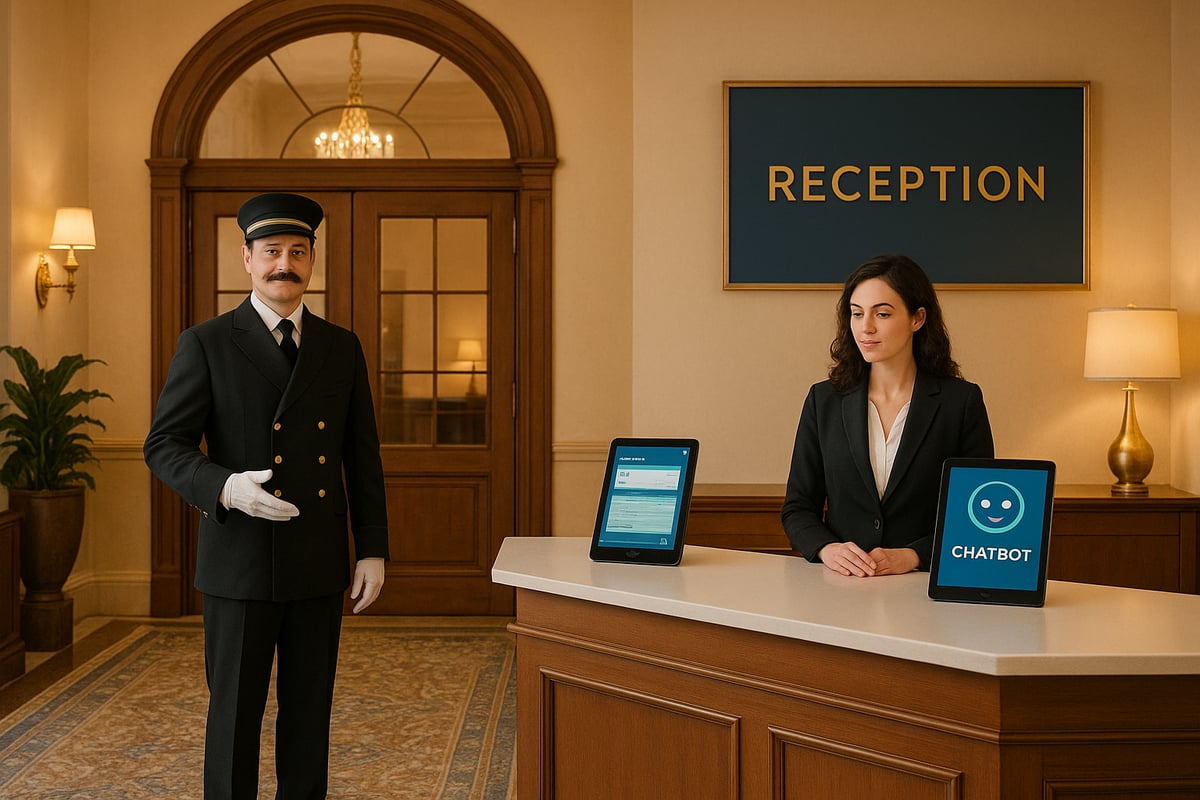
Historical Roots and Early Usage
The phrase "at your service" first emerged in English during the late Middle Ages, often used in formal introductions or letters to signal deference and readiness to help. Its association with hospitality and servitude is well documented in classic literature and historical records. For example, characters in Shakespearean plays frequently uttered "at your service" to express loyalty or subservience.
This phrase communicated not only politeness but also a willingness to place oneself at another’s disposal. Over time, it shifted from a literal offer of obedience, especially in noble courts and households, to a more figurative gesture of goodwill. For a deeper exploration of these early uses and changes, the Historical Evolution of ‘At Your Service’ offers rich examples and context.
Transition into Modern Language
As societies modernized, "your service" found its way out of rigid, hierarchical settings and into everyday speech. The phrase was adopted widely in customer-facing industries, such as hotels, restaurants, and retail, where welcoming language became essential to business success.
Globalization further accelerated the spread and adaptation of "your service," blending it with phrases like "at your disposal" or "here to help." By the 20th and 21st centuries, these expressions became standard in service-oriented professions, reflecting a shift toward a more inclusive and approachable tone. Today, "your service" bridges the gap between formality and everyday interaction.
Digital Age and Service Culture
With the rise of digital communication, "your service" has undergone another transformation. Technology has enabled chatbots, virtual assistants, and automated customer service platforms to adopt the phrase, making it a core part of online interactions.
Social media and online reviews now shape customer expectations, with "your service" serving as both a promise and a standard for responsiveness. In industries like hospitality, tech, and retail, digital tools have increased the volume and speed of service exchanges. Statistics show a marked increase in online customer service interactions, reinforcing the importance of this phrase in the digital era.
The Phrase in 2026: New Expectations
By 2026, "your service" represents more than a polite gesture; it has become a brand promise in a hyper-connected world. Integration with artificial intelligence, advanced personalization, and instant response capabilities has redefined what customers expect from service providers.
Leading brands in 2026 leverage "your service" as a commitment to proactive engagement and meaningful support. The phrase now signals not just availability, but also empathy and tailored solutions. As customer expectations continue to evolve, "your service" will remain central, adapting to new technologies and cultural shifts while retaining its core message of readiness and care.
Defining "Your Service": Meaning and Contexts
Understanding "your service" requires exploring its meanings, contexts, and evolving usage. As we move into 2026, this phrase is more than a simple offer—it's a reflection of intent, professionalism, and cultural awareness.

Literal and Figurative Meanings
At its core, "your service" stems from the longer phrase "at your service," which literally means being ready to help or serve someone. In historical contexts, this signaled obedience or readiness, often used by attendants or in formal greetings.
Today, the phrase appears in both sincere and playful ways. People might say "your service" when genuinely offering help, or use it with a wink of irony. The tone, whether warm or sarcastic, shifts the meaning entirely. For a deeper look at the roots and evolution, see the Definition of ‘At Someone’s Service’.
Modern dialogues and media often showcase "your service" in varied tones. For example, a character in a film might utter "your service" with a bow, while a friend could jokingly text it after doing a favor. Compared with phrases like "here to help," "your service" carries both tradition and adaptability.
Usage in Professional and Social Settings
In professional environments, "your service" is a staple, especially in hospitality, retail, and customer support. Employees greet guests with "at your service" to show readiness and respect. It frequently appears in introductions, offers of assistance, and closing statements.
Hotels and restaurants often train staff to use "your service" as part of their customer experience strategy. In more casual workplaces, the phrase may be softened or replaced, but its spirit remains. Formal usage signals professionalism, while casual contexts might adapt it for friendliness.
Recent data from service industry reports highlight that phrases like "your service" are still common, though their frequency varies by sector. Whether spoken or written, the phrase builds trust and sets the stage for positive interactions.
Cultural and Linguistic Variations
"Your service" takes on different forms around the world. In French, "à votre service," in Arabic, "fi khidmatikum," and in Kurdish, "li xizmeta te me," all express the same willingness to help. However, cultural attitudes toward service shape how the phrase is used and received.
In some regions, such as East Asia, service language is highly formal and emphasizes hierarchy. In others, like North America, a more relaxed approach is common. These differences can lead to misunderstandings if "your service" is translated too literally or used out of context.
Global businesses must be aware of these nuances to avoid accidental offense or confusion. Adapting "your service" to fit local etiquette is crucial when working with international teams or clients.
Modern Synonyms and Alternatives
While "your service" remains widely recognized, modern customer service trends favor more conversational alternatives. Phrases like "How can I help?", "Happy to assist," and "Here for you" are increasingly popular in brand communications.
A quick comparison:
| Traditional | Modern Alternative |
|---|---|
| At your service | How can I help? |
| At your disposal | Here for you |
| Ready to serve | Happy to assist |
Surveys show customers often prefer these friendlier, less formal expressions. However, some still appreciate the gravitas of "your service," especially in luxury or formal settings. Brands must balance tradition with approachability, choosing the right tone for their audience.
The Role of Intonation and Context
The delivery of "your service" can make or break its impact. Spoken with warmth, it reassures and delights. Used with a flat or sarcastic tone, it may come across as insincere. In digital channels, like email or chat, word choice and punctuation carry even more weight.
Consider these scenarios:
- A hotel staff member says "your service" with a genuine smile, enhancing guest comfort.
- An email closes with "at your service," but lacks personalization, risking a robotic feel.
Communication experts recommend matching the phrase to the context and using supportive body language or digital cues. When in doubt, clarity and sincerity should guide the use of "your service," ensuring it delivers the right message every time.
Real-World Applications: "Your Service" in Action
In 2026, the phrase your service is more than a polite gesture. It is a practical tool shaping customer experiences, digital solutions, and social dynamics across industries. Let us explore how your service comes to life in real-world scenarios.
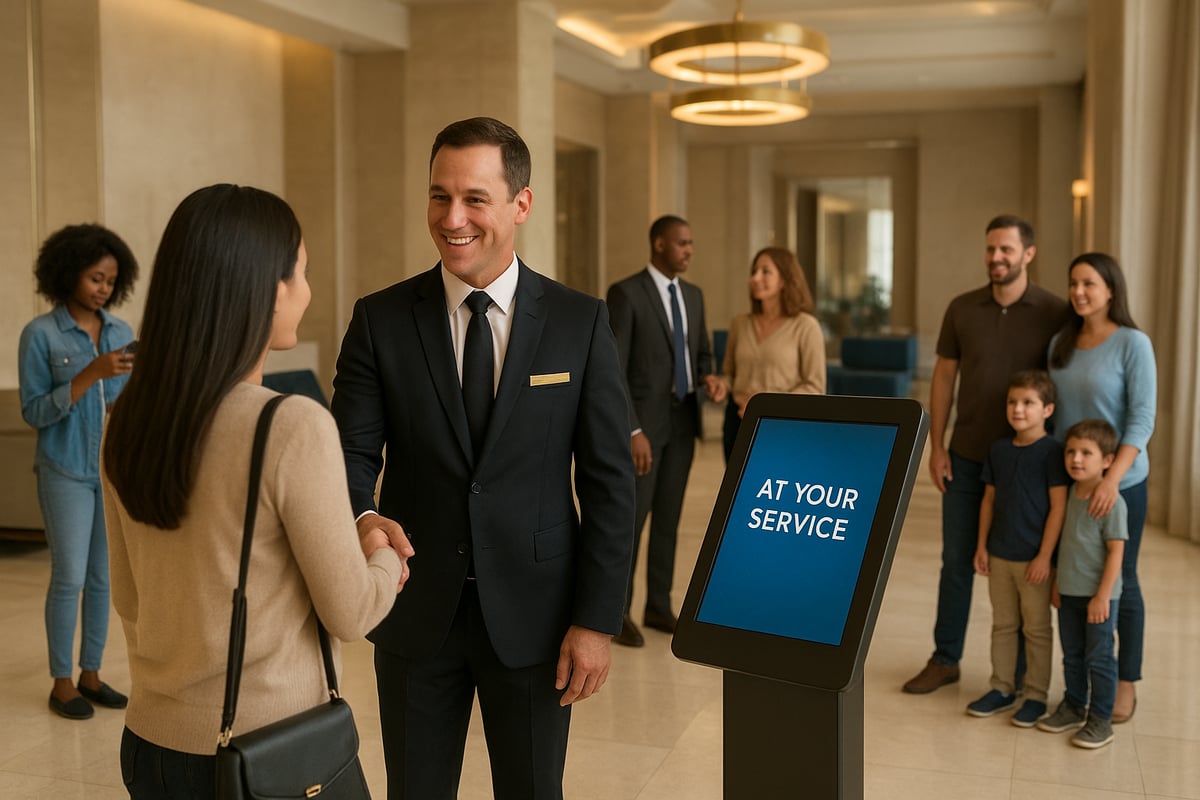
Customer Service and Hospitality Industry
In hospitality, your service is at the heart of every interaction. From the moment guests enter a hotel lobby or dine at a restaurant, staff members use your service to signal readiness and respect. Employee training programs emphasize this language to create memorable experiences.
Brands like Ritz-Carlton and Singapore Airlines are renowned for embedding your service in their culture. For example, a hotel concierge might greet guests with, "I am at your service," setting a tone of attentiveness. Customer satisfaction surveys consistently show higher ratings when staff use service-oriented language.
- Standard greetings: "Welcome, at your service."
- Personalized farewells: "If there is anything else, I am at your service."
- Consistent reinforcement in guest feedback and reviews
Your service is not just words—it is a brand promise that drives loyalty.
Technology and Virtual Assistance
The digital age has redefined your service through AI-driven chatbots and virtual assistants. Platforms like Siri, Alexa, and advanced customer support bots now greet users with variations of your service, enhancing accessibility and responsiveness.
As technology evolves, the line between human and digital service blurs. Automated systems leverage your service to make interactions feel more personal, even in high-volume settings. According to industry reports, over 70% of customer service interactions now begin with a digital assistant, reflecting a shift in expectations.
For a deeper look at how technology is transforming service delivery, see How Technology Shapes Admissions Service.
Personalization, speed, and availability define the new era of your service.
Healthcare and Public Services
In healthcare, your service is essential for building trust and comfort. Medical professionals use the phrase to reassure patients and foster a sense of care. For instance, a nurse might say, "I am at your service," when offering assistance, which can ease anxiety.
Patient satisfaction scores often rise when service language is clear and empathetic. Public agencies also adopt your service in communications, aiming to reduce barriers and improve accessibility for all citizens.
Training scripts now include your service as a standard element, reflecting the industry's commitment to empathy and professionalism.
Your service is a bridge between expertise and compassion in these vital sectors.
Everyday Interactions and Social Relationships
Outside professional settings, your service finds a place in daily life. Friends, family, and colleagues use it playfully or sincerely to offer help. Saying, "I am at your service," can express goodwill or lighten the mood during a group project.
On social media, your service is often used in memes or humorous posts, highlighting its adaptability. These informal uses strengthen bonds and demonstrate reliability.
- Offering to help move: "Your service is available—just ask!"
- Coordinating plans: "At your service for the weekend trip."
- Sharing support online: "DM me, your service is always open."
The phrase adapts to context, reinforcing trust and connection.
Service in the Gig Economy and Remote Work
In the gig economy, your service signals professionalism and dependability. Freelancers and remote workers use it in client proposals, project updates, and communications to build confidence.
Platforms like Upwork and Fiverr encourage clear service language. Phrases such as "I am at your service for this project" set expectations and differentiate providers in a crowded market.
A summary table illustrates common uses:
| Scenario | Example Phrase |
|---|---|
| Project Proposal | "Your service guaranteed." |
| Client Check-in | "Still at your service for edits." |
| Completion Confirmation | "Project delivered, your service ongoing." |
Emphasizing your service helps remote professionals maintain credibility and foster repeat business.
Theatrical, Ironic, and Pop Culture References
Your service has a rich presence in entertainment and pop culture. Movies and TV shows often use the phrase for dramatic or comedic effect. Think of classic butlers declaring, "At your service," with a bow, or superheroes playfully referencing your service after a rescue.
In literature, your service appears in both earnest and ironic contexts. Online, the phrase inspires memes, gifs, and viral catchphrases, keeping it relevant for new generations.
- Film: A spy character quips, "At your service," before a daring mission.
- TV: Sitcom characters use your service to poke fun at each other.
- Social media: Memes exaggerate the phrase for comedic effect.
Through humor and drama, your service shapes public perceptions and remains part of our cultural vocabulary.
The Psychology and Impact of Service Language
Service language shapes how we experience and interpret "your service" in every interaction. The words we choose, and how we deliver them, play a key role in building trust, resolving conflict, and setting new standards for customer engagement. Understanding the psychology behind service language is essential for anyone aiming to excel in 2026.

Building Trust and Loyalty
The phrase "your service" is more than a polite expression, it is a psychological trigger that fosters trust and loyalty. When customers feel genuinely valued, they are more likely to return and recommend your service to others.
Key psychological effects of service language include:
- Creating a sense of belonging and respect
- Reinforcing the customer's importance
- Encouraging positive emotional responses
Studies show that businesses prioritizing your service language see higher retention and satisfaction rates. For example, customer testimonials often highlight the impact of feeling personally cared for during interactions. Using thoughtful service language is a cornerstone of lasting relationships.
The Power of Sincerity vs. Scripted Responses
Customers can quickly sense whether "your service" is offered sincerely or as a scripted routine. Authenticity is a crucial factor in creating memorable experiences. Overused or robotic phrases can make interactions feel cold, while personalized messages build genuine connections.
Consider these strategies to enhance sincerity:
- Use the customer's name and refer to specific needs
- Adapt your service language to the situation
- Train teams to balance consistency with empathy
Data shows personalization increases satisfaction and trust in your service. Staff who are empowered to use their judgment deliver more meaningful and effective support. The right words, genuinely delivered, make all the difference.
Service Language in Conflict Resolution
When tensions run high, service language becomes a powerful tool for de-escalation. Phrases like "I am at your service" signal a willingness to help and can calm frustrated individuals. The right approach can turn negative situations into opportunities for positive engagement.
Effective conflict resolution techniques include:
- Listening actively and acknowledging concerns
- Using reassuring language to express support
- Maintaining professionalism and composure
Research indicates that respectful use of your service language can resolve disputes more quickly and improve outcomes. Training teams in these skills not only protects brand reputation but also deepens customer trust.
The Future of Service Language: Trends for 2026
Looking ahead, your service will be shaped by emerging technology and evolving customer expectations. AI-powered personalization, instant responses, and contextual intelligence are redefining the standard for exceptional experiences. According to Contextual Intelligence in Customer Experience, organizations that blend data-driven insights with human understanding set themselves apart in 2026.
Trends to watch include:
- Seamless integration of AI and human touch in service delivery
- Greater emphasis on empathy, even in automated interactions
- Continuous adaptation to customer feedback and cultural shifts
Mastering your service language now prepares teams to meet these new standards and deliver outstanding value in the future.
"Your Service" in Global and Cross-Cultural Contexts
Navigating the meaning of your service in a global context requires a nuanced understanding of cultural, linguistic, and professional differences. As organizations expand internationally, they must adapt the way they communicate your service to meet diverse expectations and avoid misunderstandings.
Service Expectations Around the World
Your service takes on different meanings depending on where you are. In Asia, service often emphasizes harmony and respect for hierarchy, while in the Americas, a friendly, direct approach is common. European countries may value efficiency and formality, whereas the Middle East prioritizes hospitality and personal relationships.
For global brands, understanding these subtle differences is crucial. A phrase like your service might resonate positively in one region, yet seem impersonal or overly familiar in another. For example, high-context cultures may expect more nuanced language, while low-context cultures prefer clarity and brevity.
International companies, such as International Student Admissions Support, excel by tailoring their approach to each region. They recognize that adapting your service to local norms is essential for building trust and meeting customer expectations.
Language Barriers and Translation Challenges
Translating your service into multiple languages is not always straightforward. Direct translations can miss cultural nuances, leading to misunderstandings or even offense. For instance, a literal translation of your service in some languages might sound overly formal or distant.
Organizations face challenges when training multilingual teams or deploying automated translation tools. According to Multilingual Customer Support Trends, the rise of AI-powered translation is helping to bridge these gaps, but human oversight remains vital for context and tone.
Tips for overcoming these barriers include:
- Investing in professional localization services.
- Training staff in cultural sensitivity.
- Regularly reviewing translated materials for accuracy.
When your service is communicated clearly and appropriately, it enhances the customer experience across borders.
International Business Etiquette and Protocol
Protocol around your service varies greatly in international business. In Japan, offering your service may involve exchanging business cards and using honorifics, while in Germany, directness and punctuality are prized. The phrase your service can be part of formal introductions or used to express readiness to assist during negotiations.
Case studies show that companies respecting local etiquette see better outcomes in deals and partnerships. For example, multinational corporations often provide cultural training, helping employees understand when and how to use your service in meetings or correspondence.
Recommendations for global professionals include:
- Researching local business customs before meetings.
- Adjusting service language to match the formality of the context.
- Observing and mirroring the communication style of international partners.
Adapting Service Language for Diverse Audiences
Customizing your service language for different demographics and cultures is a key to success in today’s interconnected world. Inclusive phrases, clear communication, and accessible language help ensure everyone feels valued. Marketing teams often test variations of your service in campaigns to see what resonates best in each market.
Data shows that localized service language improves engagement and satisfaction. Best practices include using plain language, avoiding idioms, and incorporating feedback from local customers. By continually refining your service approach, organizations can connect authentically with diverse audiences and set themselves apart globally.
The Changing Face of Service in 2026: Key Takeaways
In 2026, the landscape of service is reshaping itself at the intersection of technology and genuine human connection. Organizations are redefining what it means to say "your service," blending digital innovation with empathy to meet rising expectations. Let us explore the essential takeaways shaping this transformation.
Redefining Service in a Digital and Human World
Today, "your service" means more than a polite phrase. It represents a seamless experience where technology and personal touch coexist. Companies are integrating AI-driven tools with attentive staff to deliver service that is instant yet empathetic. For example, leading-edge brands use chatbots for quick answers, but also empower employees to resolve complex issues. According to industry surveys, most customers in 2026 prefer a hybrid approach—valuing both digital efficiency and authentic interaction. To stand out, businesses must balance automation with the warmth that defines "your service."
Service as a Brand Differentiator
In a crowded marketplace, "your service" is a powerful brand asset. Language shapes how customers perceive a company’s values and trustworthiness. Brands known for exceptional service often highlight their commitment in marketing campaigns and customer touchpoints. For instance, consistent messaging like "always at your service" can build loyalty and encourage repeat business. Data shows that service quality directly influences purchasing decisions, making it a key differentiator in 2026. Companies that invest in service language reap long-term rewards.
Empowering Employees and Teams
Exceptional "your service" starts with empowered employees. Training programs now focus on both technical skills and emotional intelligence, ensuring teams can deliver service with confidence and care. Some organizations use role-play scenarios and real-time feedback to reinforce best practices. Employee engagement data reveals that staff who feel supported are more likely to create memorable customer experiences. Leadership plays a crucial role by modeling service values and fostering open communication. The result is a culture where "your service" is more than a slogan—it is a lived value.
Measuring Service Success: Metrics and Feedback
To sustain high standards, businesses rely on clear metrics that reflect the true state of "your service." Tools like Net Promoter Score (NPS) and Customer Satisfaction (CSAT) provide actionable insights. Real-time analytics allow teams to respond quickly to feedback and spot trends. Consider the following table summarizing key service metrics:
| Metric | Purpose | Typical Benchmark (2026) |
|---|---|---|
| NPS | Loyalty | 50+ |
| CSAT | Satisfaction | 85%+ |
| FRT | Response Time | <1 min |
Continuous improvement depends on listening to customers and adapting processes. Feedback loops ensure that "your service" evolves with changing expectations.
Anticipating Customer Needs and Personalization
In 2026, "your service" is defined by anticipation and personalization. Data-driven insights enable companies to predict customer needs before they arise. AI tools analyze behavior patterns, allowing brands to offer tailored recommendations or proactive support. According to recent studies, over 70% of consumers expect personalized experiences. However, companies must balance this with respect for privacy. The future success of "your service" depends on delivering value while safeguarding trust.
Preparing for the Next Wave of Service Innovation
Looking ahead, innovation will further transform "your service." Emerging technologies such as augmented reality, voice interfaces, and hyper-personalization are already shaping new standards. Companies investing in these tools report higher engagement and satisfaction rates. For an example of how service innovation is disrupting traditional industries, see how Changing the Admissions Game explores novel approaches in consulting. To stay ahead, organizations must combine human creativity with adaptable technology, ensuring "your service" remains relevant and impactful in the years to come.
As we look ahead to 2026, it's clear that understanding how language shapes the service experience is essential—whether you're applying to competitive programs or planning your next career move. At Pathway2Career, we believe that every detail, from the words you choose to the strategies you employ, contributes to your unique story and future success. If you're curious about how expert admissions consulting can help you align your academic choices with long term goals, I invite you to Learn How Admissions Consulting Works. Together, we can build a pathway that puts your ambitions front and center.