


The consulting industry is expanding at a remarkable pace, offering graduate degree holders access to high salaries and rapid career growth. If you are considering a future in consulting, choosing the right consulting graduate programs can open doors to top firms and leadership roles.
In this article, we reveal the top 10 consulting graduate programs to consider in 2026. We evaluate each program based on reputation, salary outcomes, alumni network, and career placement. Discover which programs stand out and how they can position you for a rewarding consulting career.
Why Pursue a Graduate Program in Consulting?
Choosing consulting graduate programs is a strategic move for professionals aiming to accelerate their careers in a dynamic industry. These programs offer advanced learning, industry recognition, and a pathway to top consulting roles. Let us explore why they are an essential step for aspiring consultants.
The Value of a Consulting Graduate Degree
A graduate degree, such as an MBA or MPP, significantly boosts your prospects in consulting graduate programs. Leading firms seek advanced skills in strategy, analytics, and leadership that these degrees provide.
Industry data shows that consulting professionals with graduate credentials earn, on average, 9.6 percent more than peers in other sectors. This premium reflects the high value placed on specialized training and expertise.
The credential also signals commitment and prestige, opening doors to rapid advancement. Major consulting firms often prioritize candidates from consulting graduate programs, citing their readiness to face complex client challenges.
Career Outcomes and Salary Expectations
Consulting graduate programs deliver impressive career outcomes. Graduates from top programs report base salaries ranging from 165,000 to 175,000 dollars, with many securing lucrative signing bonuses and performance incentives.
Career progression is swift, with partner-track roles accessible within a few years. Placement rates at elite firms like McKinsey, BCG, and Bain routinely exceed 85 percent for graduates of leading programs.
For a detailed look at compensation trends, see Consulting Salaries for MBA Graduates, which outlines salary benchmarks and bonus structures at top consulting firms.
Success stories from recent alumni highlight the transformative impact of these degrees, with many advancing quickly into leadership positions.
Networking and Alumni Connections
A robust alumni network is a hallmark of the best consulting graduate programs. Alumni-driven mentorship, exclusive recruiting pipelines, and dedicated career support are powerful assets for students.
Notable programs feature alumni who have advanced to leadership roles at major consulting firms. These connections often translate into job referrals and inside perspectives on firm cultures.
Students also benefit from access to exclusive career fairs and presentations from top consulting employers. Research consistently shows that active alumni engagement correlates with higher job placement rates.
Skills, Curriculum, and Specializations
Consulting graduate programs focus on building core skills such as analytical problem-solving, effective communication, and data-driven decision-making. Many offer specialized tracks in strategy, operations, management, or digital transformation.
Experiential learning is central, with students engaging in consulting projects, internships, and real-world case studies. Leading programs are recognized for innovative curricula that align closely with employer needs.
Employers consistently praise graduates of these programs for their readiness and versatility, citing the practical skills and specialized knowledge gained during their studies.
How to Evaluate Consulting Graduate Programs
Choosing among consulting graduate programs can feel overwhelming, given the sheer number of options and the stakes involved for your career. The right program can dramatically influence your future earnings, professional network, and job satisfaction. To help you make an informed decision, let's break down the essential evaluation criteria.
Key Ranking Criteria and Methodologies
When assessing consulting graduate programs, start with the major ranking factors: reputation, salary outcomes, placement rates, and selectivity. Top rankings from sources like U.S. News and Financial Times rely on a blend of these metrics, though methodologies may differ for MBAs versus other degrees.
For example, MBAs are often ranked with a strong emphasis on employer reputation and salary data, while specialized degrees might prioritize curriculum depth or research output. Peer and recruiter assessments also play a critical role, as consulting firms often look for candidates from programs with a track record of excellence.
If you want a data-driven comparison of leading consulting graduate programs, Best Business Schools for Consulting Careers offers salary figures, placement rates, and recruiter feedback that can help you shortlist the right fit.
Program Reputation and Employer Perception
The reputation of consulting graduate programs significantly impacts how employers view your application. Consulting firms frequently maintain preferred school lists, prioritizing candidates from institutions with a history of producing high-performing consultants.
Recruiter surveys consistently show that graduates from well-known consulting graduate programs receive more internship and job offers. Firms like McKinsey, BCG, and Bain often cite program prestige as a differentiator, especially during competitive hiring cycles.
Employer satisfaction surveys reinforce the value of choosing a program with strong brand recognition. This reputation can open doors, not only for your first consulting role but throughout your career.
Career Services and Consulting Placement Support
Dedicated career services are a hallmark of top consulting graduate programs. Look for programs that offer specialized consulting career centers, on-campus recruiting, and robust case interview preparation.
Many leading schools report consulting placement rates above 80 percent. Student consulting clubs and industry competitions provide valuable networking and real-world experience. Access to alumni mentors and firm presentations can further enhance your job search.
Testimonials from students often highlight how tailored career support made the difference in landing offers at elite consulting firms. When evaluating consulting graduate programs, consider the depth and accessibility of these services.
Diversity, Inclusion, and Global Opportunities
Diversity and inclusion are increasingly important in consulting graduate programs. Programs with strong DEI initiatives foster a supportive environment and prepare students for global consulting work.
Look for schools with diverse student bodies, active support networks, and opportunities to participate in global consulting projects or study at international campuses. These experiences broaden your perspective and increase your competitiveness in the global job market.
Data on international placement rates and student mobility can help you gauge how well a program prepares graduates for cross-border consulting roles. The most inclusive consulting graduate programs offer both a vibrant community and a launchpad for global careers.
Top 10 Consulting Graduate Programs to Consider in 2026
Exploring the landscape of consulting graduate programs can be overwhelming, but the right choice can launch a rewarding career in strategy, management, or digital consulting. Below, we break down the top 10 consulting graduate programs to consider in 2026, each offering unique strengths, networks, and career outcomes for aspiring consultants.
Pathway2Career Admissions Consulting
Pathway2Career stands apart from traditional consulting graduate programs by focusing on admissions consulting for applicants targeting elite consulting programs. With a personalized approach, Pathway2Career offers tailored strategies, essay and resume support, and intensive interview preparation.

Their team boasts a 95% success rate for top-choice admissions, emphasizing culturally aware mentorship and high-touch support. This makes Pathway2Career an ideal partner for candidates seeking to maximize their chances at the most competitive consulting graduate programs.
Core Features:
- Individualized admissions strategies
- Comprehensive application support
- Culturally responsive advising
Key Benefits:
- High success rates for top programs
- Equity-driven guidance
Pros:
- Personalized, in-depth consulting
- Strong track record
Cons:
- Not a degree-granting institution
- Focused only on admissions
If you want to learn more about how expert consultants can help you target top consulting graduate programs, visit Graduate and Doctoral Admissions Consulting.
University of Chicago Booth School of Business
Chicago Booth consistently ranks among the best consulting graduate programs, recognized for its rigorous analytical curriculum and flexible course structure. The consulting concentration prepares students for complex, data-driven roles.
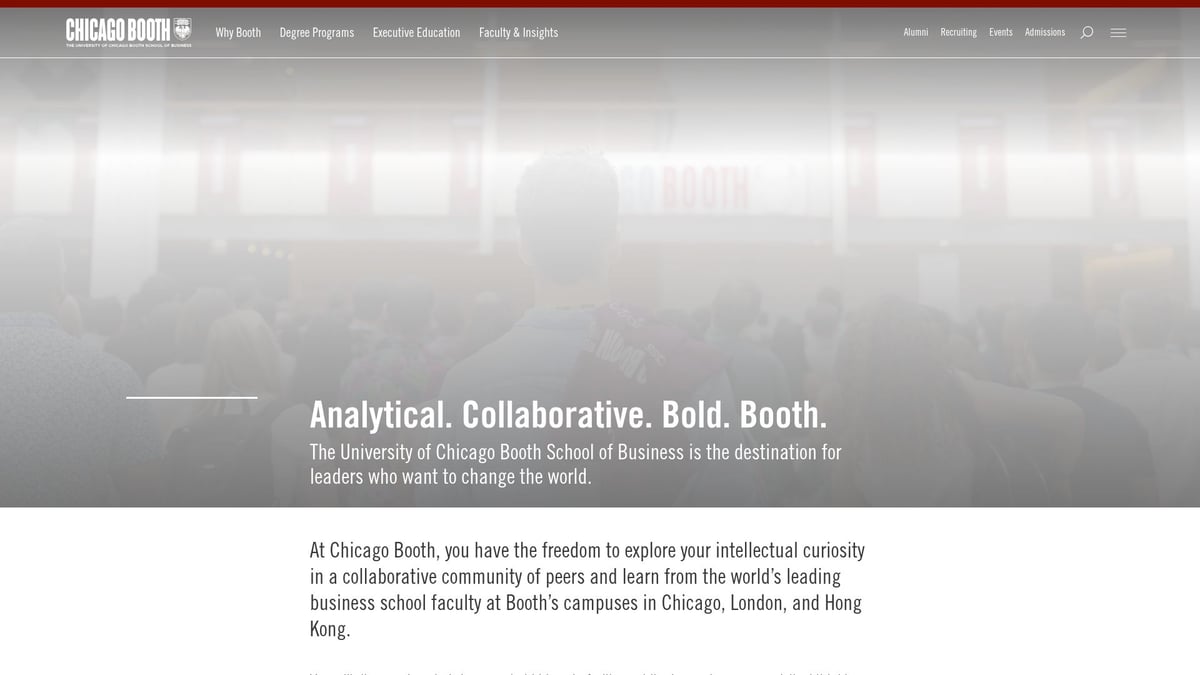
Tuition: Approx. $80,961/year
Key Benefits:
- 92% job offer rate within 3 months
- Median consulting salary of $175,000
Pros:
- Renowned faculty and analytical rigor
- Extensive alumni network
Cons:
- High tuition costs
- Demanding academic environment
Ideal for analytical thinkers, Booth’s reputation ensures strong placement at top consulting firms.
INSEAD
INSEAD offers a one-year, globally focused MBA, making it a standout among consulting graduate programs for those seeking international exposure. The diverse cohort and consulting projects provide broad perspectives and hands-on learning.
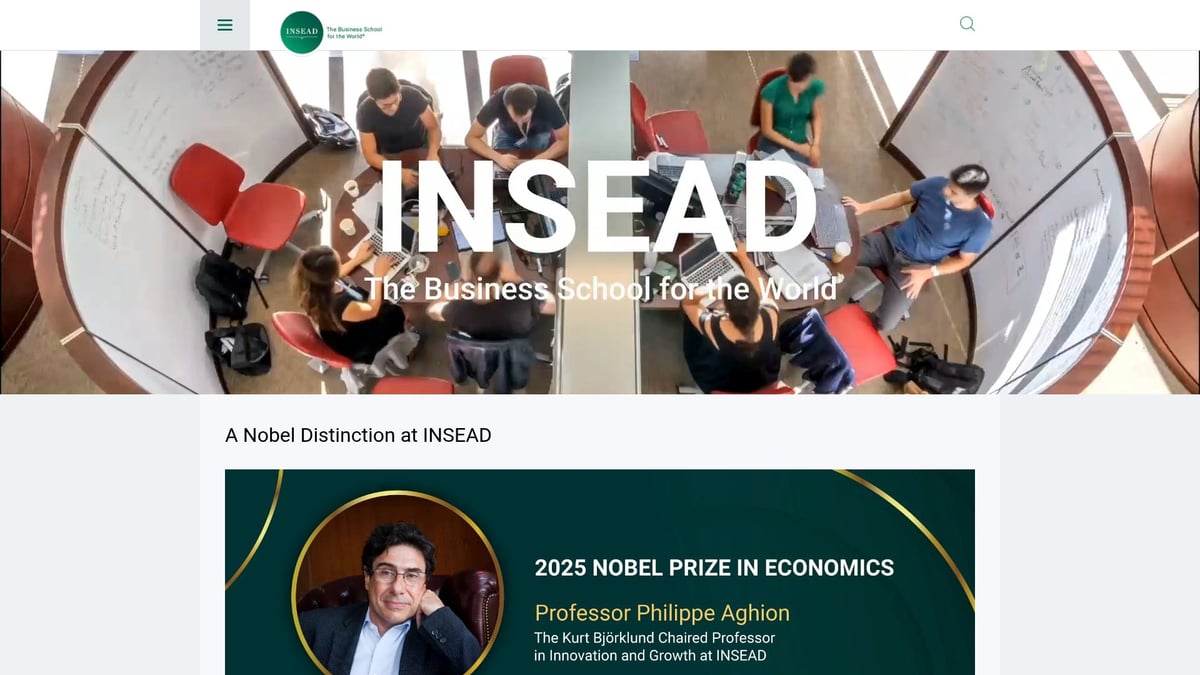
Tuition: Approx. €99,500
Key Benefits:
- 51% of graduates enter consulting roles
- Exceptional international firm placement
Pros:
- Accelerated program length
- Multicultural network
Cons:
- Intensive workload
- Limited U.S. alumni connections
INSEAD is ideal for globally minded professionals aiming for consulting roles across continents.
Yale School of Management
Yale SOM’s integrated curriculum and strong consulting clubs make it a top choice for consulting graduate programs. The Global Network for Advanced Management offers students international perspectives and connections.
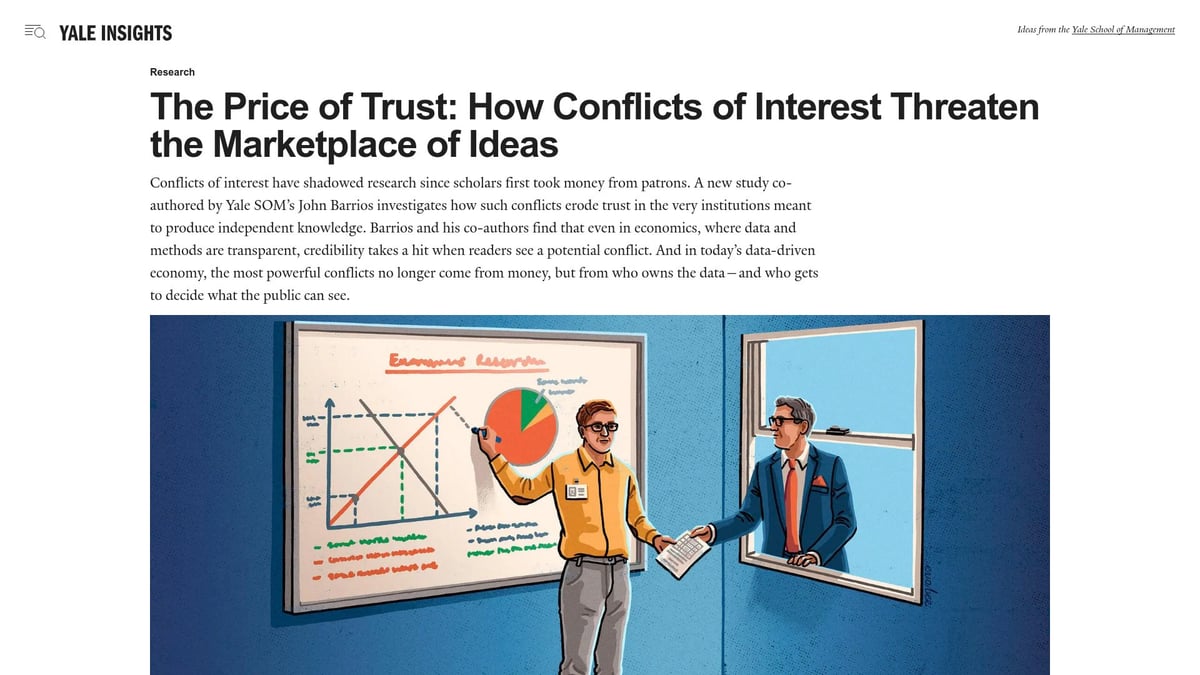
Tuition: Approx. $82,200/year
Key Benefits:
- Median consulting salary of $165,560
- Strong placement with McKinsey, BCG, and Bain
Pros:
- Interdisciplinary academic approach
- Access to Yale’s prestigious resources
Cons:
- Smaller class size
- Highly competitive admissions
Yale SOM suits socially conscious leaders and future consultants seeking meaningful impact.
London Business School
London Business School is recognized for its flexible MBA duration and consulting electives, making it a leader among European consulting graduate programs. Its central London location offers proximity to top consulting firms.
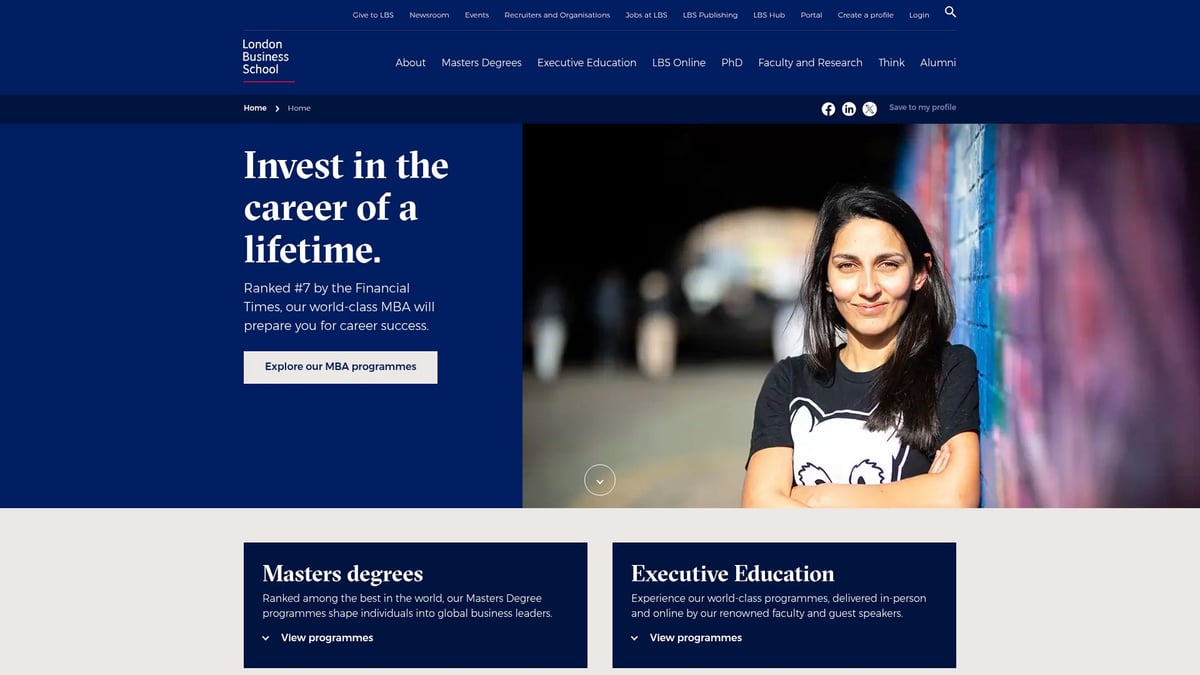
Tuition: Approx. £109,700
Key Benefits:
- 40% of graduates enter consulting
- Strong European alumni network
Pros:
- Customizable curriculum
- Leading access to European consulting jobs
Cons:
- High cost of living in London
- Competitive admissions process
LBS is perfect for those seeking an international consulting career, especially in Europe.
Duke University Fuqua School of Business
Fuqua’s team-based learning and consulting practicum distinguish it from other consulting graduate programs. The school prioritizes leadership development and real-world consulting experience.
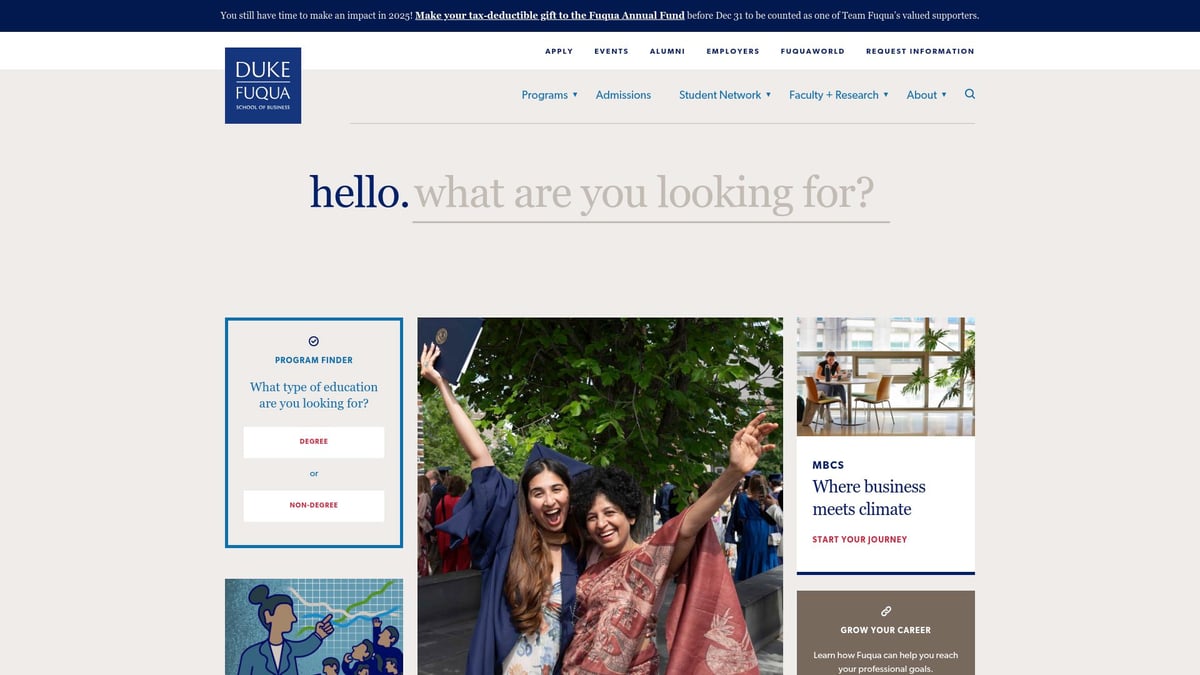
Tuition: Approx. $75,000/year
Key Benefits:
- Median consulting salary of $170,000
- Robust consulting clubs and resources
Pros:
- Supportive, collaborative culture
- High placement rates in consulting
Cons:
- Rural location
- Premium tuition
Fuqua is well-suited for candidates who thrive in team settings and value leadership growth.
University of California, Los Angeles (Anderson)
UCLA Anderson is known for its experiential learning and consulting capstone projects, positioning it among top consulting graduate programs on the West Coast. The school’s strong ties to tech firms support careers in tech consulting.
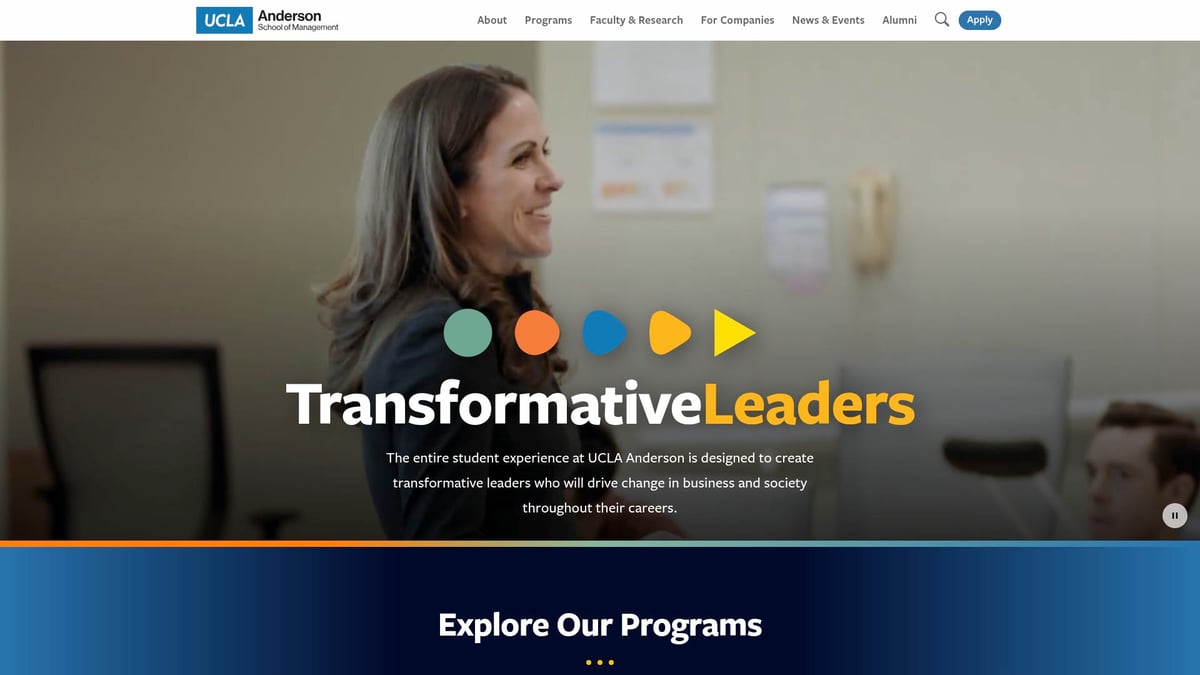
Tuition: Approx. $72,000/year (in-state)
Key Benefits:
- Median consulting salary of $168,413
- High placement in tech and strategy consulting
Pros:
- Strong West Coast industry connections
- Focus on hands-on learning
Cons:
- Large cohort size
- Competitive consulting recruiting
Anderson is ideal for aspiring consultants targeting tech or West Coast firms.
Northwestern University Kellogg School of Management
Kellogg’s emphasis on team-based learning and leadership labs sets it apart in the world of consulting graduate programs. The school’s consulting pathways and global network drive strong outcomes.
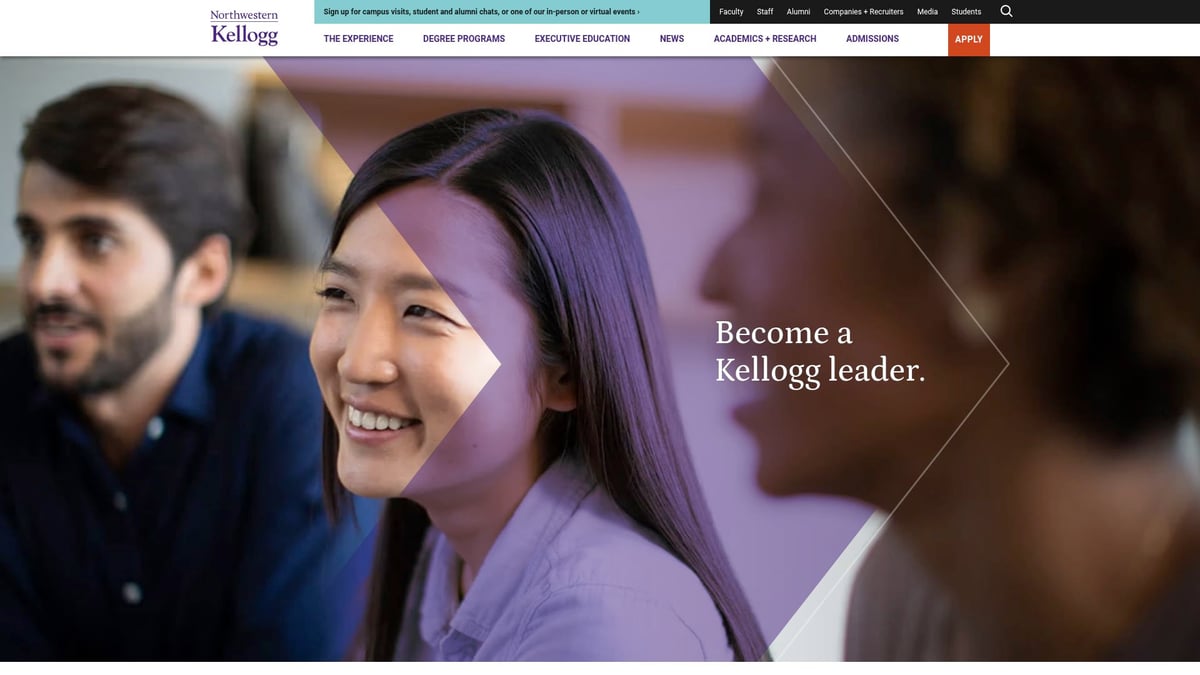
Tuition: Approx. $81,015/year
Key Benefits:
- 95% job offer rate upon graduation
- Median consulting salary of $175,000
Pros:
- Deep relationships with top consulting firms
- Collaborative learning environment
Cons:
- High tuition fees
- Intense competition for elite consulting roles
Kellogg is an excellent fit for leaders seeking both collaboration and professional advancement.
Massachusetts Institute of Technology (Sloan)
MIT Sloan’s data-driven curriculum and Action Learning Labs make it a standout among consulting graduate programs for analytically minded students. The school’s consulting treks and STEM focus open doors in digital and tech consulting.
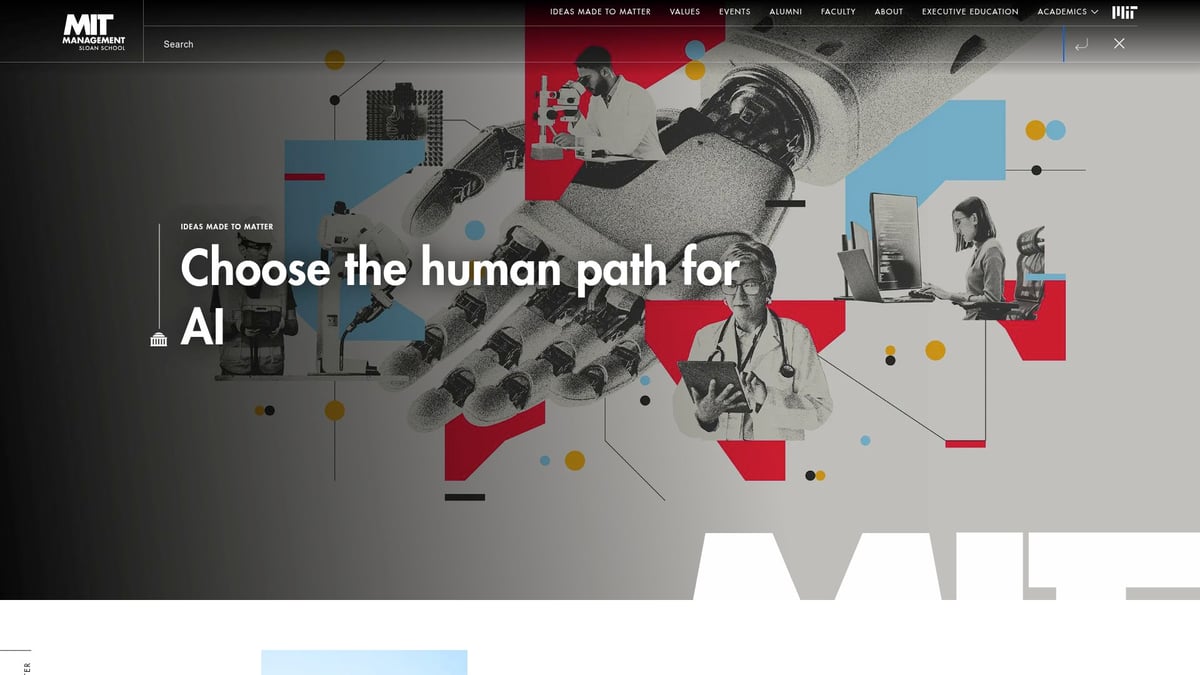
Tuition: Approx. $82,000/year
Key Benefits:
- Median consulting salary of $175,000
- Strong placement in STEM and digital consulting
Pros:
- Reputation for innovation and analytics
- Prestigious MIT brand
Cons:
- Challenging academic workload
- Higher cost of attendance
Sloan is ideal for quantitative and tech-focused consultants seeking rigorous training.
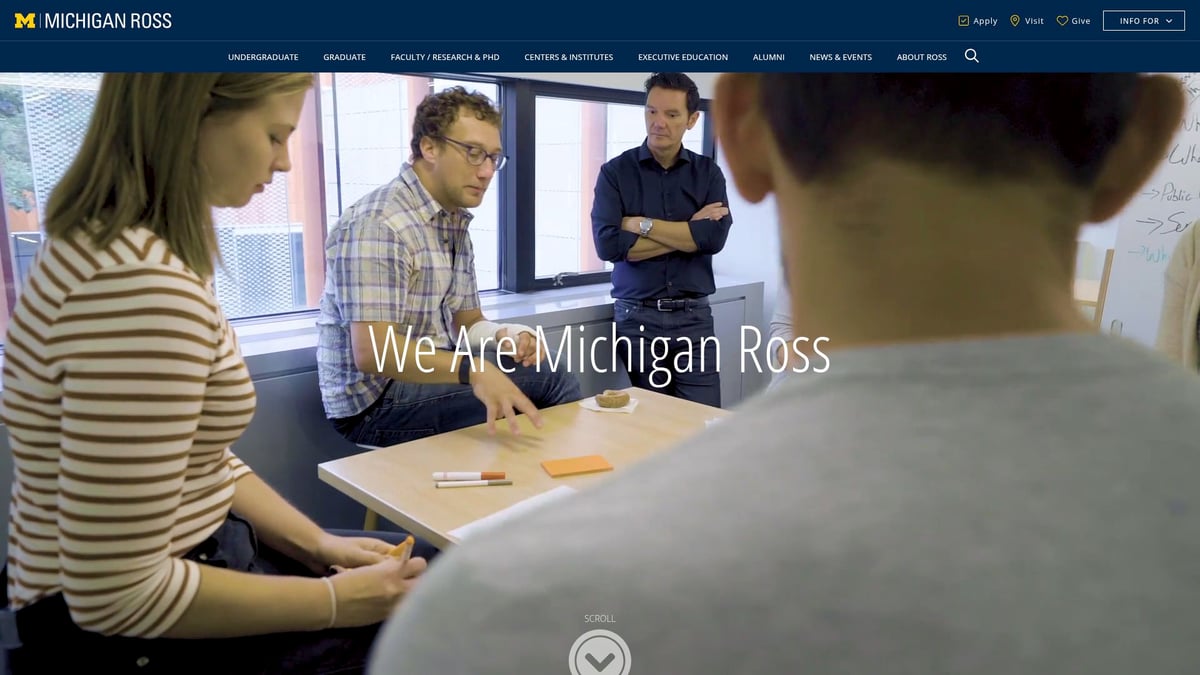
University of Michigan Ross School of Business
Michigan Ross offers hands-on learning through its Multidisciplinary Action Projects, making it one of the most experiential consulting graduate programs. The school’s consulting clubs and leadership initiatives foster practical skills.
Tuition: Approx. $74,000/year (in-state)
Key Benefits:
- Median consulting salary of $165,000
- High placement in strategy consulting
Pros:
- Experiential, project-based learning
- Strong and engaged alumni network
Cons:
- Large student cohort
- Midwest location may not appeal to all
Ross is a top pick for aspiring consultants who learn best through real-world projects.
The consulting graduate programs featured here offer a range of experiences, networks, and outcomes to fit different career goals. Whether you seek international exposure, analytical rigor, or hands-on learning, these top 10 options provide a powerful launchpad for a consulting career.
Admissions Strategies for Top Consulting Programs
Gaining admission to leading consulting graduate programs is highly competitive. A strategic approach, clear storytelling, and targeted preparation can significantly improve your chances. Below, we break down the essential steps to help you stand out in the admissions process.
Building a Competitive Application
Top consulting graduate programs seek candidates with strong academic records and relevant professional experience. Admissions committees value quantitative coursework, leadership roles, and demonstrated impact beyond the classroom.
To strengthen your application:
- Maintain a high GPA, especially in analytical subjects
- Gain professional experience in consulting, strategy, or related fields
- Take on leadership positions in work or extracurricular activities
- Engage in community service or social impact projects
- Secure recommendations from supervisors who can speak to your consulting potential
Programs often list prerequisites like statistics, economics, or business fundamentals. Successful applicants typically show a blend of intellectual rigor, teamwork, and initiative. A well-rounded profile signals readiness for the challenges of consulting graduate programs.
Crafting a Compelling Personal Statement
Your personal statement is your chance to connect your story to the mission of consulting graduate programs. Admissions officers look for clarity of purpose, motivation, and a demonstrated fit with the consulting field.
Effective essays often:
- Articulate a clear career vision in consulting
- Share specific experiences that shaped your interest
- Highlight skills and values aligned with consulting graduate programs
- Explain why the chosen program fits your goals
- Reflect on leadership, problem-solving, and adaptability
Avoid generic statements or unsupported claims. Instead, use vivid anecdotes and measurable achievements. Reviewing successful essays can offer insight into what resonates with admissions teams and how to avoid common pitfalls.
Preparing for Interviews and Case Assessments
Interview preparation is crucial for consulting graduate programs. Most schools use a mix of behavioral questions and case interviews designed to assess your analytical thinking and communication.
To excel:
- Practice case frameworks and structured problem-solving
- Participate in mock interviews with peers or mentors
- Review common behavioral questions and prepare stories using the STAR method
- Study sample cases and practice under timed conditions
- Focus on clear, logical communication and active listening
Interview success rates are higher for candidates who dedicate time to case prep and feedback. Confidence and presence during the interview process reflect your readiness for the demands of consulting graduate programs.
Leveraging Professional and Admissions Consulting Support
Expert guidance can be a game changer for consulting graduate programs applicants. Admissions consultants offer tailored strategies, essay reviews, and targeted interview coaching to maximize your strengths.
Services like Graduate Application Consultant Insights provide personalized support, from application planning to final submissions. Reviewing Success Stories from Graduate Admissions can highlight how strategic consulting improves outcomes for competitive programs.
Early planning allows you to leverage these resources fully, ensuring your application aligns with the expectations of top consulting graduate programs. Testimonials and data consistently show that professional support increases admission rates and applicant confidence.
Future Trends in Consulting Graduate Education
The landscape of consulting graduate programs is rapidly evolving as the industry adapts to technological advancements, shifting client needs, and global demands. Understanding these trends is crucial for applicants aiming to remain competitive and future-ready in consulting. Let us explore how digital transformation, sustainability, program formats, and emerging skills are shaping the next generation of consulting graduate programs.
Digital Transformation and Analytics in Consulting Programs
Consulting graduate programs are increasingly embedding digital transformation, AI, and analytics coursework into their core curricula. Employers now seek consultants who can navigate complex data and drive technology-enabled solutions. Programs at leading schools, such as MIT Sloan, have introduced specialized analytics labs and digital consulting projects to meet this demand.
Recent curriculum updates reflect a surge in data science, machine learning, and digital strategy electives. According to the MIT Sloan MBA Employment Report 2025-2026, there is a notable increase in graduates securing roles in digital consulting, indicating strong alignment with industry needs. This transformation ensures graduates remain at the forefront of consulting innovation.
Sustainability and Social Impact Consulting
Sustainability and social impact have become central themes within many consulting graduate programs. As organizations prioritize ESG (environmental, social, and governance) initiatives, consulting firms now require experts who understand sustainable business practices. Programs are responding with dedicated tracks in sustainability consulting and nonprofit strategy.
Students frequently participate in real-world projects addressing climate change, ethical supply chains, and social enterprise. This hands-on experience prepares graduates to advise clients on impactful, responsible strategies. The growing interest in social impact consulting reflects both student passion and employer demand, ensuring consulting graduate programs develop leaders committed to positive change.
Hybrid and Online Graduate Consulting Programs
The rise of hybrid and online consulting graduate programs has introduced greater flexibility for aspiring consultants. Top-ranked schools now offer part-time, fully online, or blended formats, allowing students to balance work and study. These new program structures have expanded access to consulting education for professionals worldwide.
Online consulting graduate programs leverage virtual collaboration tools, remote case competitions, and global networking opportunities. Data shows that employers are increasingly accepting of online credentials, with successful outcomes and strong placement rates. Choosing between in-person and online formats depends on personal learning style, career goals, and desired level of campus engagement.
Evolving Skills and Competencies for Future Consultants
As consulting continues to transform, consulting graduate programs are prioritizing new skills such as data literacy, change management, and cross-cultural fluency. Industry surveys reveal that employers value adaptability, strong communication, and technical proficiency. Graduate programs are responding by introducing real-world consulting projects and global immersion experiences.
Students are encouraged to build their professional presence through platforms like LinkedIn, as detailed in Building a Strong LinkedIn Profile for Career Success. Lifelong learning and upskilling have become essential for consultants aiming to thrive in a dynamic marketplace. These evolving competencies position graduates for leadership roles in an ever-changing consulting environment.
As you reflect on these top consulting graduate programs and consider your next steps, remember that the admissions process is more than just submitting forms—it's about telling your unique story and aligning your academic journey with your long term career goals. If you want to truly understand how personalized admissions consulting can help you stand out and maximize your chances of success, I encourage you to Learn How Admissions Consulting Works.
Whether you're just beginning your research or ready to apply, having expert guidance can make all the difference in reaching your consulting ambitions.